 EN
EN

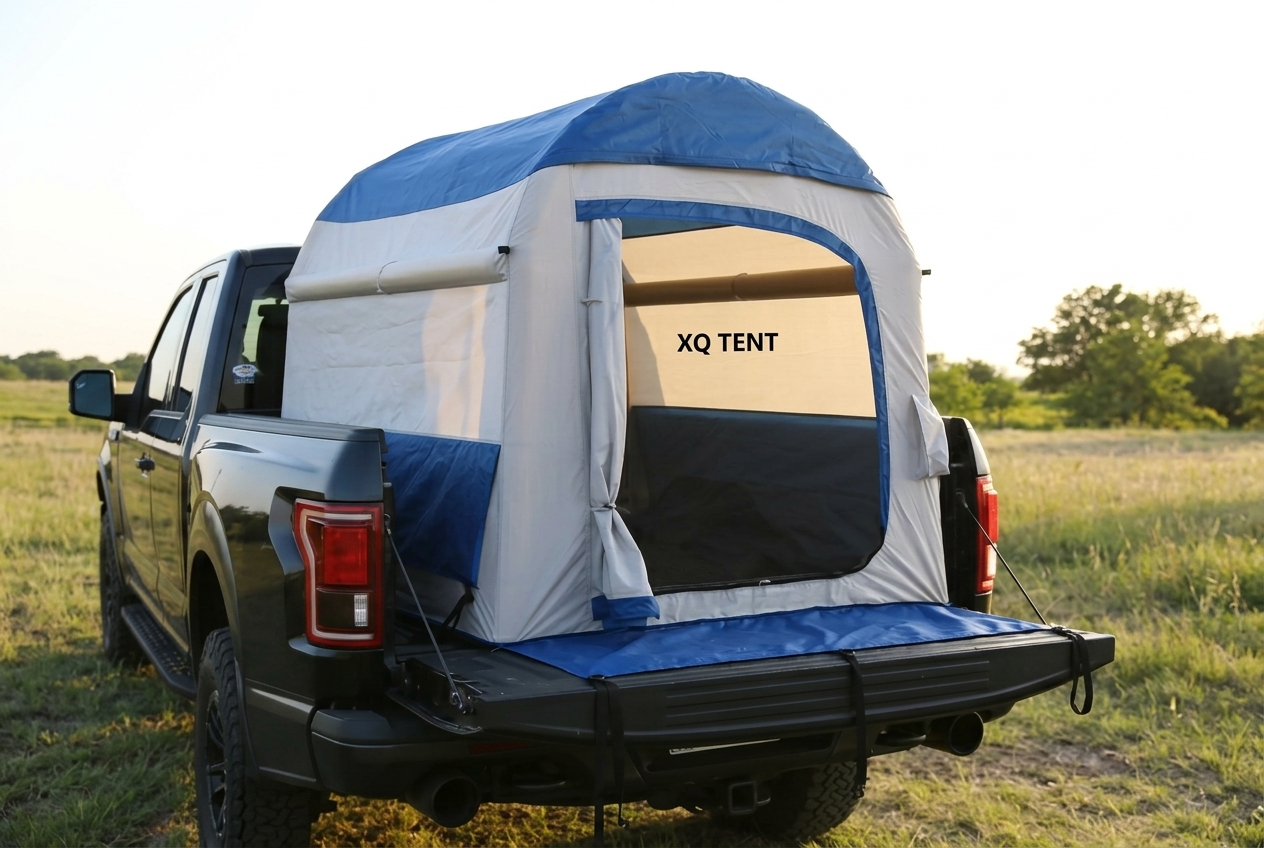
Decisio Trium Secundorum quae Mutat Castrum Ultra Terram
Itinera ultra terram tempus aequale consumunt in castris atque in semitis. Adveniens ad locum rematum ad horam tertiam post meridiem cum sol fulget directe super caput, primum necessarium non est somnus — sed umbra. Unum tentorium vehiculi quod explicatur ex latere vehiculi infra unam minutam transformet maculam terrae in cameram exteram habitabilem antequam motor frigescat.
Tentoria terrestria tradicionalia quaestionem somni solvunt. Velum vehiculare quaestionem vitae solvit. Haec distinctio magni momenti est, quia viatores ultra-terrestres, qui quinque noctes in itinere agunt, cito discunt coquendum in sole directo, mutare vestes intra vehiculum calidum, et sedere in umbra naturali inaequali experientiam deteriorare citius quam quaelibet fractura mechanica.
Arithmetica Spatii Vivendi Quam Tentoria Terrestria Praetermittunt
Umbra Instantanea Sine Arboribus Quaerendis
Itinera deserti ultra-terrestria, semitae litus, et semitae alti plani unam proprietatem habent: nullum tegumentum arborum. tentorium vehiculi velum 6 ad 8 pedes a latere vehiculi extenditur, creans 50 ad 70 pedes quadratos umbrae terrae statim. Contra velum maris exsurgens, velum vehiculare ad vehiculum duorum tonorum ancratur — non fit aquila in ventis transversalibus deserti, qui saepe 25 mph post meridiem attingunt. Massa vehiculi locum sacculorum arenarum et profunditatis stipulorum ut principale mechanismum ancrandi occupat.
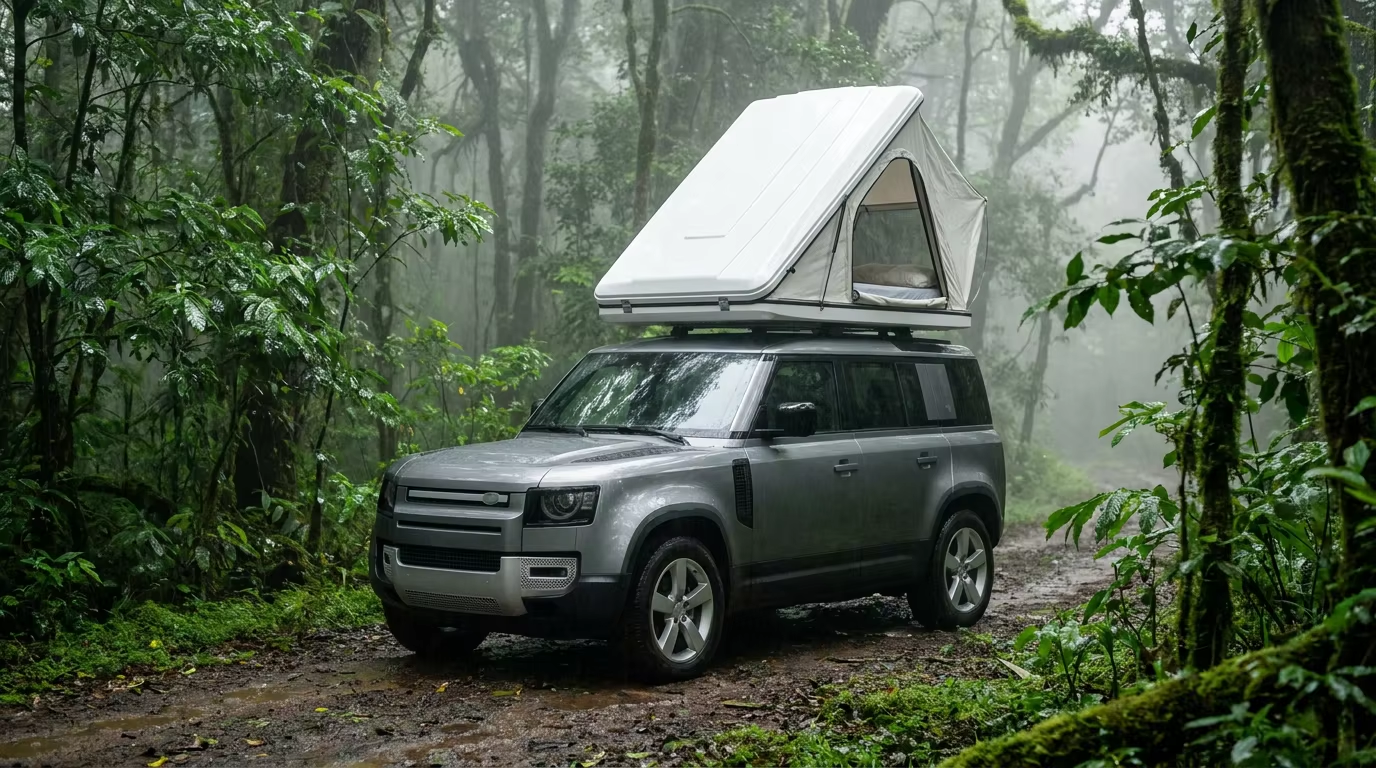
Culina Castrorum Sub Tegmine
Coquere super mensam caudae in sole directo convertit praeparationem ciborum in eventum endurance. Sub velo, eadem cauda fit culina umbrosa cum protectione contra ventum ex una parte et aera aperta ex altera. Fornaces propani operantur efficacius sine rafficulis venti quae flammam deflectunt. Cibus manet frigidior. Qui coquit manet functionalis. Pro itineribus collectivis ubi officium coquendi rotat, differentia inter culinam umbrosam et expostam determinat utrum coquus designatus rursus se offerat. tentorium vehiculi coquere super mensam caudae in sole directo convertit praeparationem ciborum in eventum endurance. Sub velo, eadem cauda fit culina umbrosa cum protectione contra ventum ex una parte et aera aperta ex altera. Fornaces propani operantur efficacius sine rafficulis venti quae flammam deflectunt. Cibus manet frigidior. Qui coquit manet functionalis. Pro itineribus collectivis ubi officium coquendi rotat, differentia inter culinam umbrosam et expostam determinat utrum coquus designatus rursus se offerat.
Zona transitionis inter vehiculum et castra
Vehiculum in itinere ultra terram accumulat pulverem, lutum et instrumenta aequa mensura. Velo tentorium vehiculi creatur zona intermedia — calcei deponuntur sub velo antequam ad aream dormiendi ingrediaris, vestes humidae pendunt ex uncis poli veli ut stillent, et cathedrae castrorum displicantur in umbra sine necessitate quaerendi locum planum et absque radicibus viginti passus a vehiculo. Velo fit salutatio castrorum; vehiculum fit cubiculum.
Vehicle-Mounted vs. Freestanding: The Attachment Decision
Roof-Rack-Mounted Awnings
A tentorium vehiculi awning bolted to a roof rack deploys in seconds and retracts just as fast. The 270-degree models wrap around the rear and side of the vehicle, covering the tailgate cooking area and a side seating zone simultaneously. The engineering trade-off is weight: a 270-degree awning adds 40–55 pounds to the roof load, which must be accounted for in the vehicle's dynamic roof rating. Mid-size SUVs with factory roof rails typically rate at 150–165 pounds dynamic load, leaving room for the awning plus a rooftop tent if weights are managed carefully.
Freestanding Pole-Supported Awnings
These models use adjustable aluminum poles staked into the ground rather than attaching to the vehicle. The advantage is flexibility — pitch the tentorium vehiculi tendal 10 pedes a vehiculo sub raro arbore umbrosa dum in sole stationaris ad solarium tabulas repleas. Incommodum est tempus dispositio: 5–8 minuta contra 30 secunda pro versione fixa. Ventus effectus pendet omnino a qualitate stipulorum et tensione funiculorum, nullum vehiculi pondus adiuvans.
Verus Overland Factionis Decisio
A company in Utah that rents overland vehicles operated 12 customized Toyota 4Runner units and tested two awning setups over a full season. Six vehicles used roof-rack-mounted 270-degree awnings; six used pole-supported freestanding models. After one season of guided multi-day trips across Canyonlands and the San Rafael Swell, the company discontinued the freestanding models. Client feedback highlighted setup time (averaging 7 minutes, including staking into hard-packed desert soil) as a pain point—especially during afternoon thunderstorms, when rapid deployment was critical. The mounted awnings deployed in 45 seconds and retracted in 60. The company standardized its fleet on the 270-degree configuration and reported a measurable reduction in guide intervention time during camp setup, freeing approximately 20 minutes per arrival for route briefing and client orientation.
What to Evaluate Before Ordering
Fabric UV Degradation Rate
A tentorium vehiculi an awning parked in the desert sun for five days straight experiences roughly three months of equivalent UV exposure compared to weekend-only use. Ask suppliers for the fabric's UV resistance test results — specifically the ISO 105-B02 lightfastness rating. A rating of 6 or higher on the 8-point blue wool scale indicates the fabric will maintain color and tensile strength through multiple seasons of heavy sun exposure.
Wind Rating With and Without Guy Lines
Roof-rack-mounted awnings list a wind rating that assumes all guy lines and stakes are deployed. That rating drops by 40–50% without guy lines because the cantilevered frame relies on downward tension to resist uplift. In practice, setting up guy lines takes an extra two minutes. Experienced overland travelers do it every time; first-timers skip it and learn the hard way when a gust folds the awning back over the roof at 2 AM.
Packed Dimensions and Roof Rack Compatibility
Measure the roof rack crossbar spacing before ordering. A tentorium vehiculi tendā cum supportīs ad aptandum ad distantiam barrae 28-pollicem designāta fortasse non conveniat rācīs quae distent 24 aut 32 pollices. Plūrimī fabricantēs offerunt supportōs adiustābilēs, sed ambitus adiustmentī confirmārī dēbet. Tendae receptāculum plicātum — quod plerumque est extrūsiō aluminium 6–8 pedum longa — nōn debet ultra specula laterālia vehiculī extendī, quod perīculum latitūdinis in semitis angustīs et in garāgīs stationandī creat.
Questiones Frecventer Interrogatae
Quid interest inter tendam automobilis et tentorium automobilis?
A tentorium vehiculi plērūmque ad tentorium in tectō aut tentorium in terrā ad vehiculum adfixum ad dormiendum referre solet. Tenda automobilis ex vehiculō prōmittitur ut spatium exterius umbrōsum pro vītā forī creet et non praebet cubicula clausa ad dormiendum. Multae dispositiōnēs ad viās longās utrumque elementum combinant.
Quam celeriter tenda-tentorium automobilis statuī potest?
Tenda 270-grādūm in rācīs tectī fixa in 30–60 secundīs dispōnitur et eōdem tempore retrahitur. Tendae tentorium vehiculi quae in pōlīs liberīs sustentantur 5–8 minūtās ad plēnam statuendam necessitant, inclūsīs fixiōne pīcīs et tensione funiculōrum.
Quomodo tectum automobilis ventum in locis apertis sustinet?
Cum omnes lineae adligantes sunt dispositae et recte infixae, tectum bonae qualitatis tentorium vehiculi sustinet ventos continuos 20–25 mph. Sine lineis adligantibus, tolerantia ad ventum multo minuitur, quia structura cantilever perdit tensionem deorsum quae resistentiam contra levationem praebet.
Num tectum automobilis sine craticula tecti uti potest?
Tecta libera, quae a stantibus polum sustinentur, nullam craticulam tecti requirunt et ubique in plano solo collocari possunt. Tecta quae in craticula tecti montantur tentorium vehiculi crucibarros requirunt — simplices raedae tecti fabricae saepe insufficiunt, nisi clamps speciales ad raedas aptatae sint.
Quantum tectum automobilis ponderat?
Tecta in craticula tecti montata a 30 libris (pro tecto laterali basico 6,5 pedum) usque ad 55 libras (pro modulo completo 270 graduum) variare possunt. Tecta libera, quae a stantibus polum sustinentur, tentorium vehiculi 15–25 libras ponderant, sed separatim in vehiculo portanda sunt.
Quod textilis optime ad tectum automobilis in locis altius ultravioletti radiationis idoneus est?
Polyester cum recensione UV-resistente PU et indice UPF 50+ praebet optima rationem durabilitatis ad pretium pro tentorium vehiculi velario. Polyester ripstop addit resistentiam lacerationi in ventosis condicionibus. Quaere notam ISO 105-B02 de stabilitate coloris ad lucem, gradum 6 aut superiorem in scala lanarum caerulearum, pro expositione solari per plures stationes.