 EN
EN

The Connection That Makes or Breaks an SUV Camping Setup
An SUV tent that attaches to the rear of a vehicle promises expanded living space, weather-protected access to the cargo area, and the ability to use the vehicle's electrical system from inside the tent. The promise collapses the moment the connection between tent and vehicle fails — a gap opens, rain gets in, mosquitoes find the breach, and the integrated system becomes two separate, compromised shelters.
The connection method is not a minor design detail. It is the structural and functional core of the entire SUV tent concept. Three connection approaches dominate the market, each with different failure modes, setup times, and compatibility constraints.
Sleeve Connection: The Continuous Seal
How the Sleeve Design Works
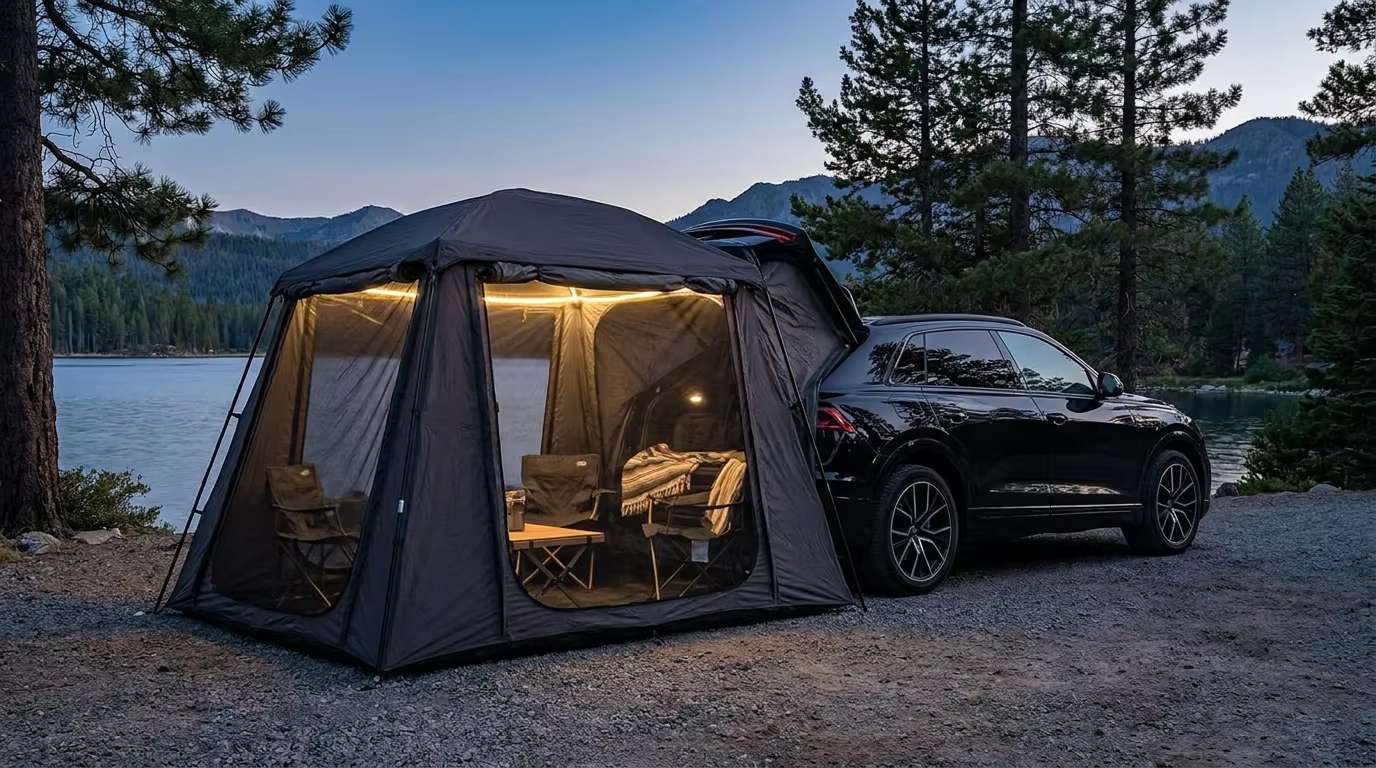
A fabric sleeve — typically a reinforced polyester tunnel measuring 4-6 feet in circumference at the vehicle end — slides over the open rear hatch of the SUV. Elastic drawcords or adjustable straps cinch the sleeve around the vehicle body, creating a continuous fabric bridge between the tent and the cargo opening. When executed correctly, an SUV tent with a sleeve connection forms a weather-tight passage that allows movement between the tent and vehicle without stepping outside.
The sleeve design works best with vehicles that have a top-hinged rear hatch — the hatch lifts, the sleeve wraps around the opening, and the hatch itself becomes the roof of the connection tunnel. Side-hinged doors and split tailgates create geometry problems that a universal sleeve cannot fully resolve without custom-cut fabric panels.
The Weather-Seal Weak Point
Sleeve connections on an SUV tent fail most often where the fabric meets the vehicle roof. Rainwater running down the vehicle roof collects at the sleeve's upper edge and, without a drip rail or gutter to divert it, seeps between the fabric and the vehicle body. A well-designed sleeve includes a foam-backed compression strip sewn into the top edge that presses against the roof when the drawcord is tensioned. Without this strip, the sleeve functions as a rain funnel rather than a rain barrier.
Vehicle Compatibility Constraints
Sleeve connections require the rear hatch to open upward and the vehicle roof to be free of roof-rack crossbars that would prevent the sleeve from sealing against the roofline. An SUV tent with a sleeve design fits stock vehicles cleanly but may not accommodate aftermarket roof racks, cargo boxes, or solar panels mounted on the rear half of the roof. The sleeve diameter must match the vehicle's rear profile — a sleeve designed for a compact crossover will not seal around a full-size SUV's wider body.
Strap-and-Clip Connection: The Adjustable Alternative
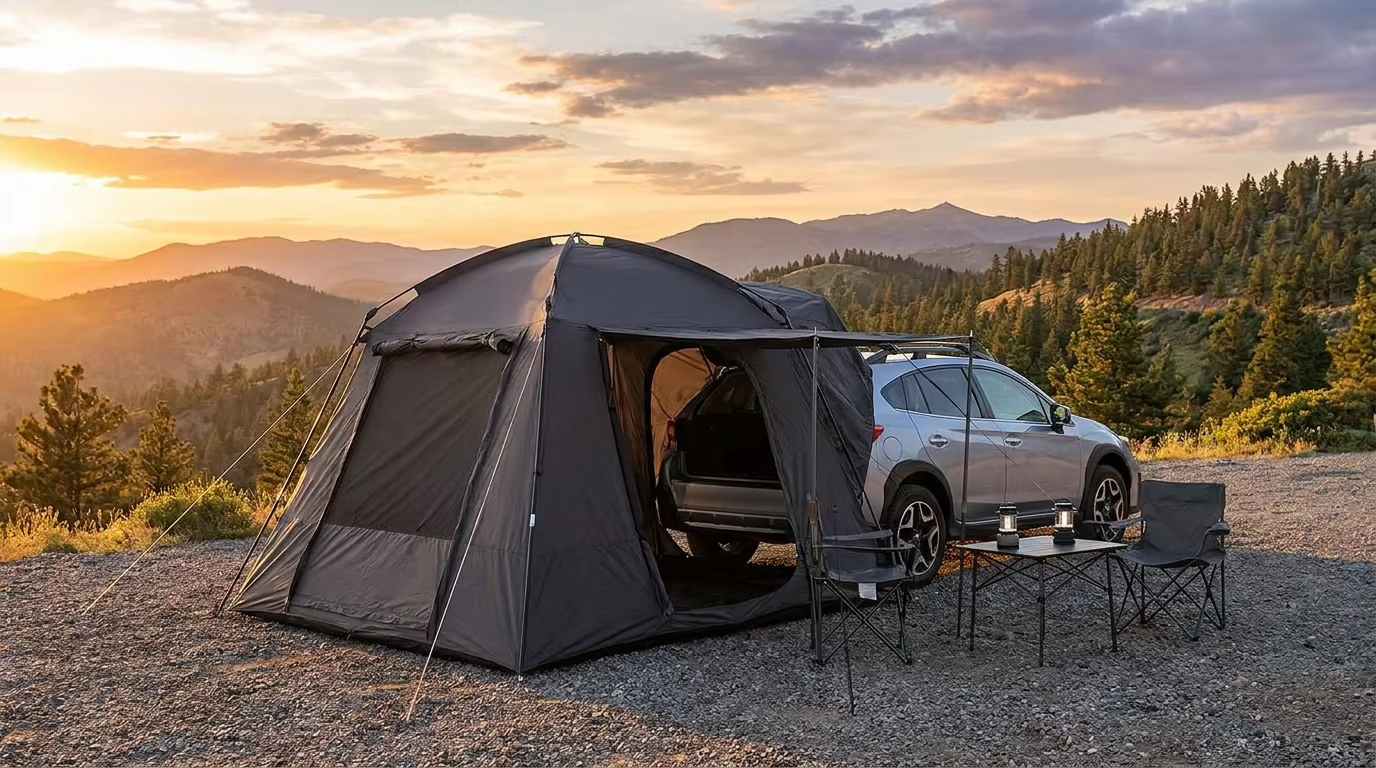
Sleeves demand a precise vehicle match. Straps do not. An SUV tent using elastic straps with plastic clips attaches to the vehicle's wheel arches, roof rails, or rear door frame, pulling the tent opening against the vehicle body under tension. The advantage is universal fit — the same tent works with hatchbacks, SUVs, minivans, and pickup trucks with camper shells. The disadvantage is that a strap system leaves small gaps between attachment points where insects and wind-driven rain can enter.
High-quality strap systems include foam gaskets along the tent opening's edge that compress against the vehicle body when straps are tensioned. These gaskets fill the gaps that straps alone cannot seal. Without them, a strap-connected SUV tent provides shade and a visual barrier but limited weather protection.
Freestanding With Tailgate Overlap: The Simplest Option
Some SUV tents skip the physical connection entirely. The tent is pitched as a freestanding structure with one side positioned within 12-18 inches of the open tailgate. A fabric flap extends from the tent roof to drape over the raised hatch, creating a covered walkway without a sealed connection. An SUV tent of this design sets up fastest — no sleeve to thread, no straps to adjust — and works with any vehicle that can park within flap-reach of the tent door.
The trade-off is weather performance. In still air with no insects, the gap between tent and vehicle is irrelevant. In rain with 15 mph wind, water blows through the gap and pools on the cargo floor. For fair-weather campers, the freestanding design is adequate. For all-weather reliability, a sealed connection is non-negotiable.
A Real Fleet Deployment Scenario
An outdoor adventure tour operator in New Zealand's South Island deployed 10 SUV tent units across a fleet of Toyota Highlanders for guided multi-day excursions. The initial batch used universal strap-and-clip connections. Within the first month, complaints surfaced: condensation formed inside vehicles when campers ran the engine for heat while connected, and wind-driven rain penetrated the strap gaps during coastal storms. The operator replaced the strap models with custom-fitted sleeve designs matched to the Highlander's specific rear-hatch dimensions. The sleeve units eliminated rain ingress and reduced setup time from 8 minutes to 4 minutes because the sleeve alignment was vehicle-specific and required no strap adjustment. Post-season debriefs rated the sleeve connection as the single most impactful equipment upgrade of the year.
How to Choose the Right Connection for Your Application
Assess the Primary Use Case
Fair-weather weekend camping with a single vehicle → freestanding or strap connection is sufficient. Multi-day expeditions in variable weather with the vehicle serving as a base camp → sleeve connection with a compression seal is worth the compatibility constraints. An SUV tent for rental fleets or guided operations where daily setup speed matters → sleeve connection reduces labor and eliminates the variables that strap adjustment introduces.
Verify the Vehicle Fit Before Ordering
For sleeve designs: measure the rear hatch opening width, height, and the distance from the roof center to the hatch edge when fully open. Provide these dimensions to the supplier and request confirmation that the sleeve diameter accommodates them with at least 3 inches of overlap on each side. For strap designs: confirm that the strap length accommodates the vehicle's body width with enough tensioning range.
Inspect the Edge Seal on a Production Sample
Order one unit and examine the tent opening where it meets the vehicle. On an SUV tent with a sleeve, check for the compression strip along the top edge. On a strap design, verify that foam gaskets run continuously along the tent opening without gaps at corners. Light bleeding through the seal when a flashlight is pressed against the exterior indicates a leak path.
Frequently Asked Questions
Can an SUV tent connect to any vehicle?
Sleeve-connection SUV tent models require a top-hinged rear hatch and a roof free of crossbars that would interfere with the seal. Strap-connection models fit most vehicles with accessible attachment points. Freestanding designs work with any vehicle that can park close to the tent.
How do I prevent rain from entering between the SUV tent and the vehicle?
A sleeve-type SUV tent with a foam-backed compression strip along the top edge diverts rainwater away from the connection point. For strap designs, ensure foam gaskets are compressed against the vehicle body and that the tent opening is positioned slightly lower than the vehicle roofline so water runs away from the gap.
Does running the car engine while connected to an SUV tent cause condensation?
Engine heat rising from the vehicle into the enclosed SUV tent connection tunnel creates condensation on cool fabric surfaces. Keep the tent ventilated with mesh panels open and limit engine runtime to brief charging or heating periods to minimize moisture buildup.
Can I use an SUV tent with a roof rack installed?
Roof-rack crossbars on the rear half of the roof prevent a sleeve-type SUV tent from sealing against the roofline. Strap-connection and freestanding designs are unaffected by roof racks. If sleeve compatibility is essential, consider removable crossbars or a half-rack configuration.
How long does it take to connect an SUV tent to a vehicle?
A custom-fitted sleeve SUV tent connects in 3-5 minutes including cinching drawcords. Strap-and-clip designs require 6-8 minutes for proper tensioning and gasket alignment. Freestanding models with tailgate overlap take 2-3 minutes.
What is the best SUV tent connection for a split tailgate?
Vehicles with split tailgates — such as a Land Rover Discovery or BMW X5 — are incompatible with standard sleeve connections because the split opening geometry differs from a single top-hinged hatch. Strap-connection or freestanding SUV tent designs are the practical options for these vehicle configurations.