 EN
EN

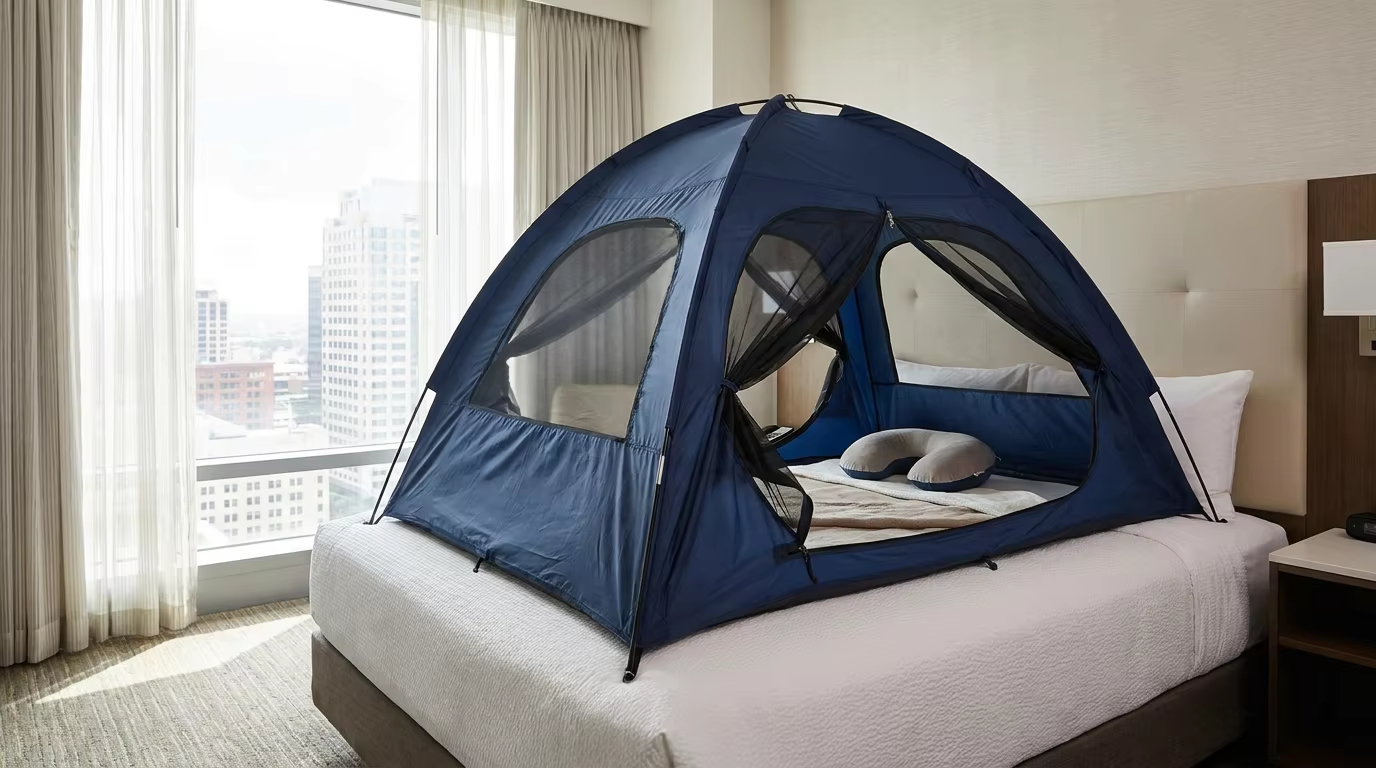
The Real Cost of Zero Privacy in a Shared Room
Sharing a room sounds manageable on paper. In reality, it often means competing sleep schedules, someone scrolling through their phone at 2 AM, and the creeping exhaustion of never truly being alone. A 2023 survey by the American College Health Association found that 42% of college students reported sleep difficulties directly impacting their academic performance. The culprit is rarely the mattress — it is the environment.
A bed tent changes that environment in under a minute. Unlike room dividers or eye masks that address only one problem at a time, a well-designed bed tent creates a fully enclosed personal zone. Light gets blocked. Visual distractions disappear. The psychological shift from "we share a room" to "this is my space" happens the moment the fabric walls go up.
How Bed Tents Solve Three Specific Dorm Problems
Light Control Without Asking Permission
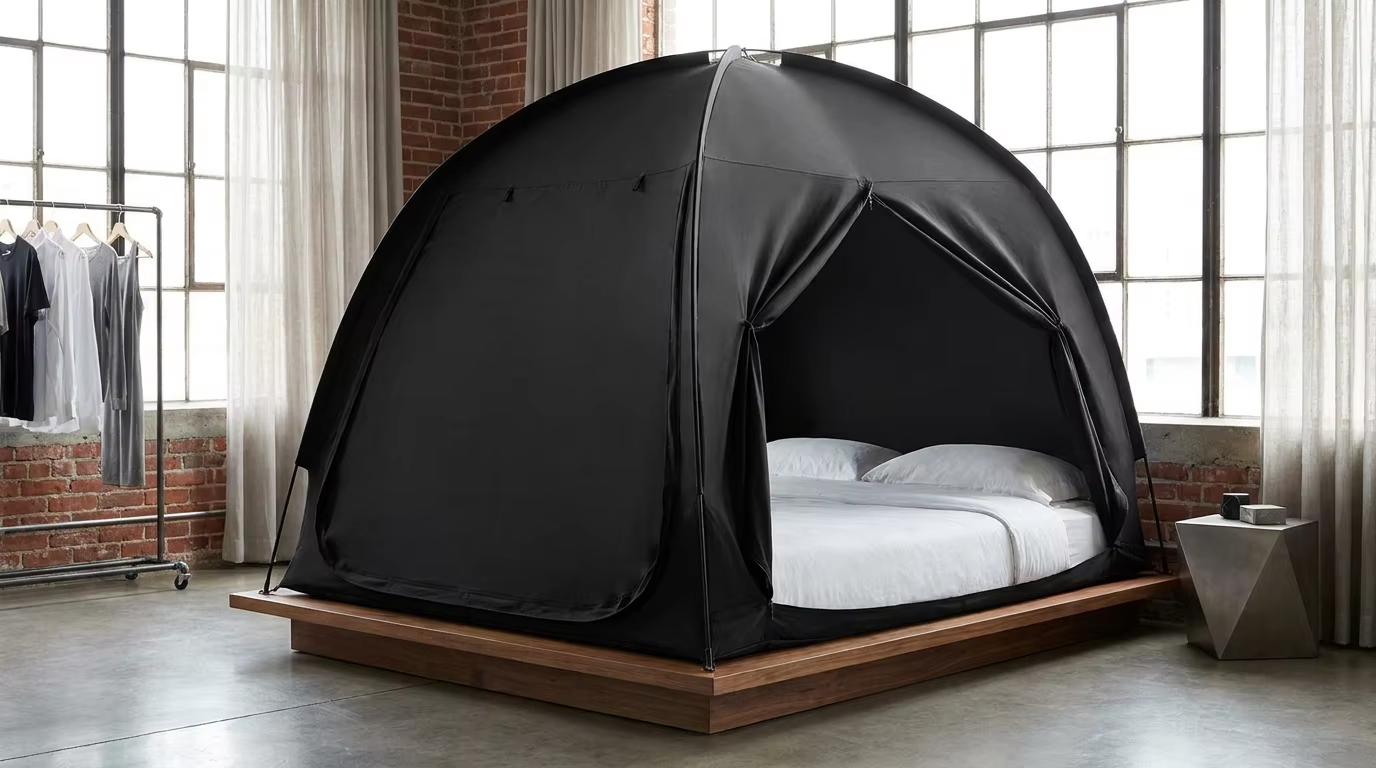
Dorm lighting conflicts are universal. One roommate needs a reading lamp at midnight while the other has an 8 AM class. Blackout curtains require landlord approval and drilling. A bed tent with dense-weave polyester fabric provides immediate, permission-free darkness. The fabric blocks ambient light from phones, desk lamps, and hallway fixtures — no negotiation required.
Noise Dampening Through Physical Barriers
Fabric walls absorb high-frequency sounds that foam earplugs miss: keyboard clicks, zipper pulls, plastic packaging crinkles. While a bed tent is not soundproof, the layered textile structure reduces perceived noise by breaking direct sound paths. For light sleepers, this difference often determines whether they wake up at 3 AM.
Defining Personal Boundaries in a Shared Footprint
Shared rooms blur the line between public and private. A bed tent draws that line visually and psychologically. When the fabric is zipped closed, roommates instinctively lower their voices. The tent becomes a signal: "occupied, do not disturb." This unspoken boundary is especially valuable in triple or quad occupancy setups common in North American and European university housing.
What Separates a Functional Bed Tent From a Decorative One
Fabric That Works Beyond Aesthetics
The difference between a bed tent that lasts two semesters and one that fails in weeks comes down to fabric composition. Polyester-cotton blends offer breathability but absorb moisture in humid climates. 100% polyester with a tight weave resists sagging, retains shape after repeated washing, and passes flammability standards required by institutional housing contracts. Suppliers serving bulk procurement channels typically specify 190T or 210T polyester with a PU coating for odor resistance and easy wipe-down maintenance.
Frame Stability Under Daily Use
Fiberglass poles wrapped in protective sleeves prevent the splintering that cheap exposed poles cause. A common failure point is the pole-hub connector — injection-molded ABS hubs outlast stamped metal brackets by a factor of three in repeated setup-and-takedown cycles. For housing authorities ordering hundreds of units, this directly translates to replacement cost reduction.
Ventilation Design That Prevents Stuffy Air
A completely sealed bed tent becomes uncomfortable within 30 minutes. The solution is dual-panel mesh windows positioned for cross-ventilation. When warm air rises, a top mesh panel releases it; when fresh air needs to enter, side panels pull it through. Without this passive airflow design, internal temperature climbs 5-8°F above ambient within an hour — a detail few budget tents address.
A Real Procurement Scenario
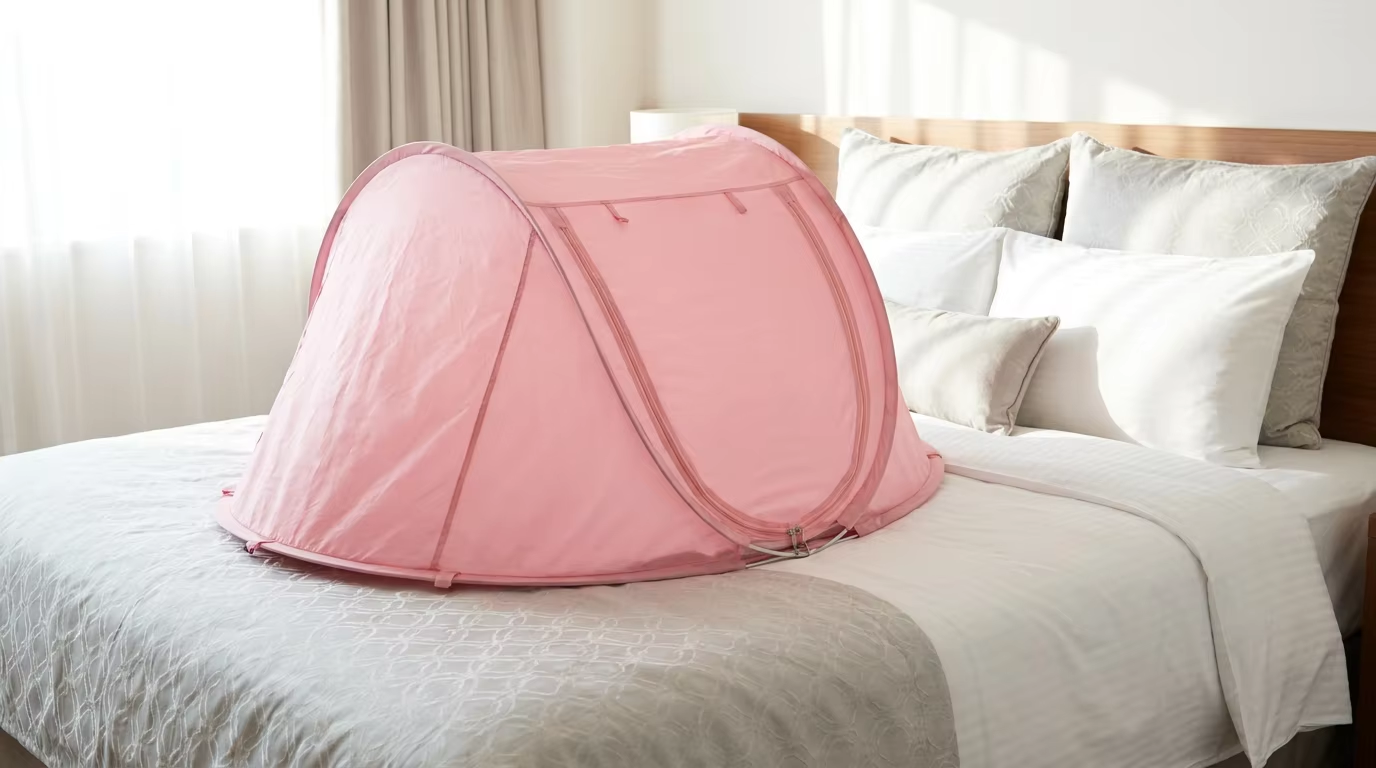
A student housing provider in Manchester managing 400 beds began receiving consistent complaints about sleep quality in shared units. Residents cited nighttime phone use by roommates and irregular light schedules as primary frustrations. After piloting 50 bed tent units across three dormitory floors, the housing office tracked a measurable drop in room-change requests during the following semester. The tents were selected based on three criteria: flame-retardant certification aligned with UK furniture safety regulations, machine-washable fabric for turnover cleaning, and pole-free pop-up frames that students could deploy independently. Total setup time per unit averaged 45 seconds. Maintenance staff reported zero frame failures across the pilot period.
What Smart Procurement Looks For
Fire Safety Compliance
Institutional buyers should verify that the bed tent fabric meets BS 5852 (UK) or ASTM F963 flammability standards. Ask for the test certificate number and cross-reference it with the issuing laboratory. A supplier unable to produce this documentation within 24 hours is worth avoiding.
Frame Longevity Under Rotation
When units rotate between students each year, frames undergo repeated compression and release. Fiberglass poles rated for 1,000+ flex cycles are the minimum viable threshold. Ask about the pole diameter — 6mm or thicker correlates with significantly lower breakage rates in field use.
Cleaning Protocol Compatibility
Housing operations teams need tents that survive industrial laundry cycles. Confirm whether the fabric can be removed from the frame for machine washing. A zip-off skin design adds 10 seconds to setup but saves hours of hand-cleaning per unit over a service life.
Frequently Asked Questions
What size bed tent fits a standard twin dorm bed?
Most dorm bed tent models are designed for twin or twin XL mattresses measuring 39"×75" or 39"×80". Always verify the mattress dimensions with the housing provider before placing a bulk order, as European dorm beds may run slightly narrower at 90cm width.
Can a bed tent be set up on a bunk bed?
Yes, but only on the bottom bunk. Top bunk installation creates a fall hazard and violates most university housing safety codes. For bottom bunk use, select a model with a lower ceiling height — typically 35 to 40 inches — to avoid pressing against the upper mattress.
How does a bed tent handle condensation?
Well-ventilated bed tent designs use mesh panels on opposing sides to maintain airflow. Condensation only becomes an issue with fully sealed, non-breathable fabric or in rooms without any ambient air circulation. Running a small USB fan near the tent opening resolves this in humid climates.
Are bed tents allowed in most college dorms?
Policies vary by institution. Most universities permit bed tent use as long as the fabric carries a flame-resistance certification and the frame does not require drilling or permanent mounting. Submitting the fire-safety certificate with the housing request typically resolves approval within days.
What is the typical lifespan of a bed tent in a dorm setting?
With daily use over a nine-month academic year, a quality bed tent should last two to three years before any component replacement is needed. The primary wear points are zipper tracks and pole connectors — both should be replaceable without replacing the entire unit.
Which fabric is better for a dorm bed tent: cotton or polyester?
Polyester outperforms cotton for dorm use. It resists moisture absorption, dries faster after washing, and holds its shape through repeated setup cycles. Cotton blends feel softer initially but develop musty odors in poorly ventilated dorm rooms and lose tension after laundering.