 EN
EN

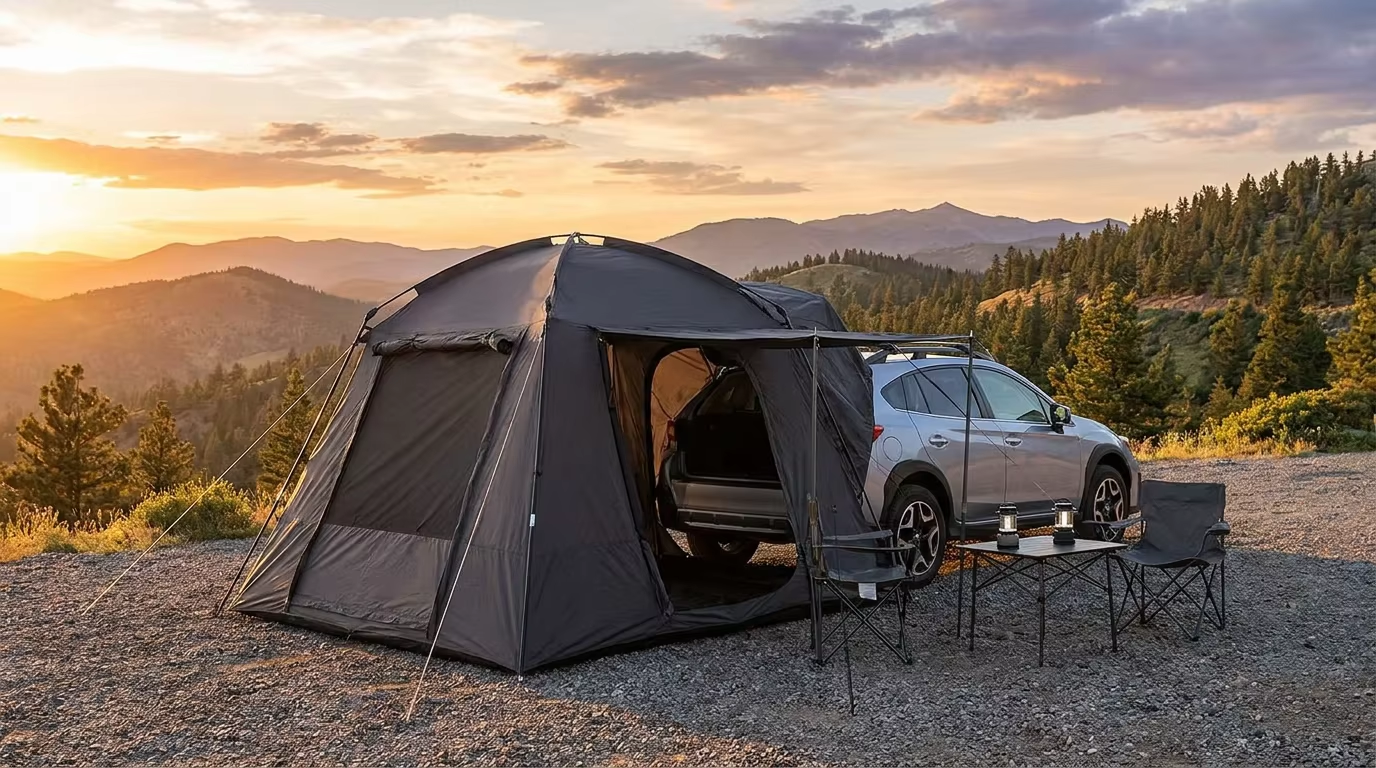
Elevating the Camping Game: Why SUV Tents Redefine Overlanding Safety and Comfort
For anyone who spends significant time off the beaten path, a good night’s rest is not a luxury; it is the foundation of an enjoyable adventure. Traditional ground tents have long been the go-to, but they come with a laundry list of frustrations—wet floors, creepy crawlies, and the eternal hunt for perfectly flat terrain. An SUV tent changes that conversation entirely. By directly integrating with the vehicle's rear cargo area, these shelters elevate the sleeping platform off the damp earth, creating a safer, drier, and faster camping setup. After years of driving washboard roads and camping in varied climates, the consensus among seasoned overlanders is clear: the switch to an SUV tent has fundamentally improved how outdoor trips are executed. It is not just about a roof over the head; it is about transforming the four-wheeled rig into a self-contained mobile basecamp.
Getting High Off the Ground for Protection Against Nature
When parked in the wilderness, the ground can be a hostile environment. Soil retains moisture overnight, leading to condensation that seeps through standard nylon floors. More alarmingly, uneven ground often hides sharp rocks, thorny brush, and dense tick-heavy vegetation. The beauty of an SUV tent is the instant vertical clearance it provides. By anchoring the shelter directly over a hatch or tailgate, the sleeping zone is physically separated from crawling insects, curious rodents, and snakes that patrol the campsite at dusk. Recent field reports from 2024, aggregated by outdoor gear testing groups, suggest that elevated shelters significantly minimize uninvited wildlife interactions compared to traditional ground-based setups. Add to this a heavy-duty, high-denier waterproof floor that bridges the gap between the open cargo bay and the tent base. This seamless construction eliminates the need for an extra footprint tarp, saving both weight and packing volume. For solo travelers or families with small children, the simple reassurance that the sleep area is clean, dry, and inaccessible to ground-level pests offers incalculable peace of mind.
Conquering Slopes and Loose Terrain with Vehicle-Backed Stability
The limitation of the traditional ground tent is its dependence on level, hard-packed soil. Arriving at a stunning alpine lake, only to discover the only clearing is on a 10-degree slope, usually means pitching the tent on an uncomfortable angle or moving on entirely. An SUV tent bypasses this restriction entirely. Because the entire shelter leverages the vehicle's rigid chassis as its primary anchor, the heavy mass of the SUV offsets minor inclines effectively. The suspension naturally compensates for unevenness, making a gravel bar or a slanted forest floor a perfectly viable campsite. Modern designs utilize adjustable tension straps that lock into the vehicle’s frame or crossbars, distributing the load evenly. When properly secured, an SUV tent can hold its pitch securely on slopes exceeding 15 degrees without any need for manual leveling or digging trenches. This capability opens up campsites that other tent users are forced to pass by, drastically reducing the competition for premium camping spots, especially during peak tourist seasons. The vehicle truly becomes the foundation, letting sleepers remain perfectly stable and comfortable, completely unbothered by the topography below.
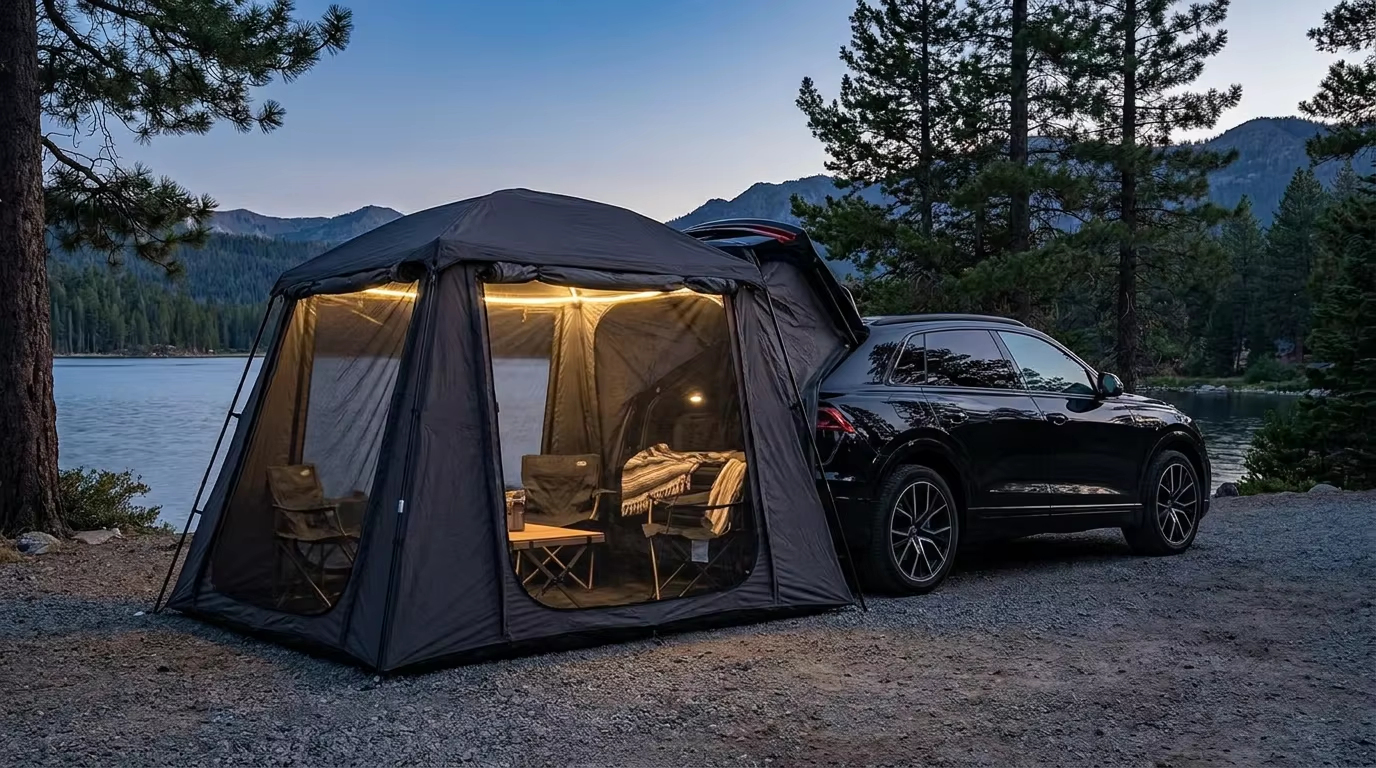
Battling the Elements with Tested Waterproofing and Fabric Strength
Camping gear is useless if it cannot handle a sudden shift in weather. A quality SUV tent must deliver consistent performance against heavy rain, dust storms, and snow. Proper water resistance starts with a rigorous hydrostatic head rating. To meet industry reliability benchmarks, premium manufacturers adhere to standardized textile testing protocols like those outlined in ASTM D751, ensuring the coated fabrics can withstand persistent water pressure. However, the fabric is only half the equation. The true leak points are the seams. High-end SUV tent models employ double-stitched construction paired with a full heat-sealed tape application on every internal seam. This significantly reduces the chance of water ingress compared to traditional stitching, which is vulnerable to needle holes. In windy snow conditions or desert dust storms, a fully taped rainfly that extends over the vehicle attachment point acts as a crucial barrier. When built with this level of engineering rigor, these shelters have proven to maintain a completely dry interior even during extended weeks of monsoon rains, securing not only the sleeper's comfort but also sensitive electronics stored inside.
Blending Strength and Weight: The Quick Setup Advantage
Weight and setup speed are two metrics that directly influence the joy of an overland journey. Rooftop tents, while popular, often weigh in excess of 65 pounds. Mounting them raises the vehicle's center of gravity, leading to noticeable drops in fuel economy and making handling more cumbersome on tight switchbacks. At the opposite end of the scale, ultralight ground tents shed weight but forfeit durability, offering no protection against rocks or insects. The SUV tent fits perfectly into the middle ground, typically weighing between 18 and 28 pounds. This weight range allows a single camper to pack, unpack, and maneuver the tent easily without strain. The real victory, however, lies in the setup time. Equipped with pre-attached shock-corded poles and a simple sleeve attachment system, an SUV tent can be fully deployed and secured in under five minutes. For a seasoned adventurer, this efficiency means more time gathering firewood, prepping dinner, or simply enjoying a spectacular sunset rather than fumbling with poles and stakes in the fading twilight.
Building a Cohesive Mobile Basecamp Through System Integration
The transformational value of an SUV tent extends far beyond the sleeping quarters. It functions as a critical extension of the vehicle's core utility. By connecting seamlessly to the open cargo bay, the tent provides weatherproof access to power inverters, auxiliary batteries, and portable fridges stowed in the back. This integration eliminates the need to exit the shelter and step into the rain to grab a cold drink or a dry jacket. Additionally, the vehicle acts as a windbreak, shielding the tent's side profile from heavy gusts. This architectural synergy ensures that the shelter remains taut and stable even when crosswinds reach 40 miles per hour, a failure point for many freestanding ground shelters. For couples or groups, the vehicle's cabin can even double as a secondary storage room, effectively expanding the usable footprint of the campsite without adding an ounce of extra weight.
Why Manufacturing Precision Matters for Component Integrity
Ultimately, a superior camping experience is a product of meticulously manufactured components. The structural integrity of an SUV tent relies heavily on the tensile strength of the high-tenacity polyester, the quality of the metal pole joints, and the exactness of the waterproof stitching. Reputable suppliers who oversee the entire lifecycle—from sourcing raw textile yarns and alloy tubing to final assembly and packing—ensure that every shipped product meets strict quality control benchmarks. For overlanders who rely on their gear to perform flawlessly in isolated backcountry settings, partnering with a manufacturer that adheres to strict international production standards and maintains a transparent supply chain is paramount. When factories conduct in-house destructive testing and rigorous seam stress evaluations, the result is a piece of equipment that inspires absolute confidence. It is precisely this kind of manufacturing discipline that allows modern SUV tents to consistently deliver high safety margins and unmatched resilience against the wildest elements nature can throw at them.