 EN
EN
What the UPF Label Actually Means for Sun-Safe Beach Shelters
Spending a long afternoon on the coast is one of the simple joys of summer. The sound of the waves, the cool breeze, and the warm sand beneath the feet offer a perfect escape from the daily grind. But for anyone who spends serious time near the water, the sun is far more than just a source of warmth. It is an intense, unavoidable force that reflects off the light-colored sand and the ocean surface, bouncing back to attack from every angle. This is why a simple umbrella often fails to provide enough relief. A proper beach shelter changes the game entirely, but only if the manufacturer has prioritized the fabric's built-in defenses. Understanding the science behind that little UPF label isn't just trivia; it is a critical step toward protecting skin health and ensuring that the beach day does not end with a painful, sleepless night.
Breaking Down UPF 50+ and Why It Sets the Gold Standard
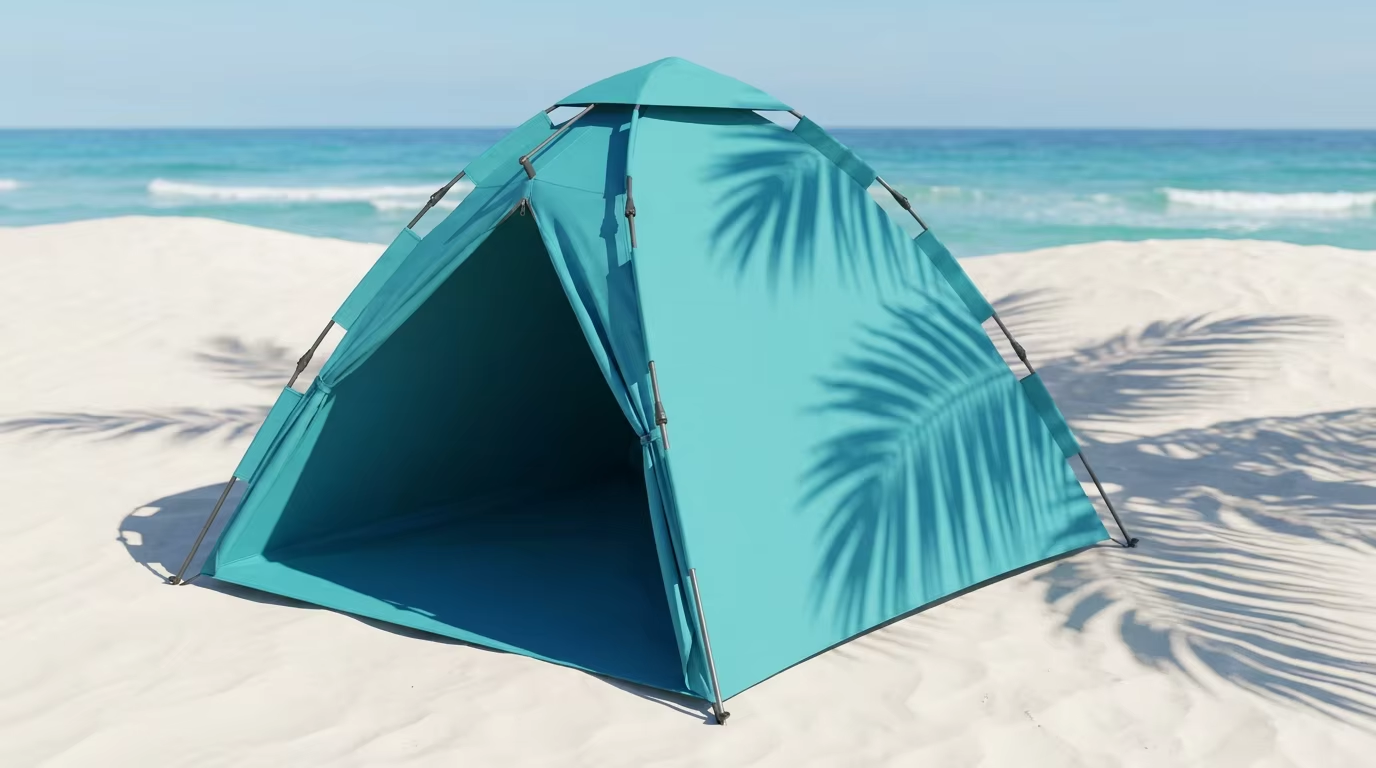
UPF stands for Ultraviolet Protection Factor. In plain language, it tells the buyer exactly how much of the sun's harmful radiation the fabric will stop before it hits the skin. A UPF 50+ rating sounds technical, but the math is straightforward: the material only allows 1/50th of the incoming rays to pass through. That translates to blocking over 98 percent of both UVA and UVB light, which are the two main culprits behind premature aging and deep tissue damage. Medical organizations frequently classify UPF levels from 30 to 49 as "very good," but the "50+" designation is consistently labeled "excellent"—the highest achievable tier in the commercial market. For anyone setting up camp on a bright white beach, this rating is non-negotiable. The environmental reality is harsh: dry sand alone reflects up to a quarter of the sun's radiation right back into the face, and the reflective water surface adds even more exposure. A UPF 50+ tent filters out the direct assault as well as the intensified bounce-back, providing a genuinely safe haven for kids, pets, or adults looking to escape the midday glare.
Understanding the Critical Difference Between UPF and SPF
A very common mix-up occurs when people try to compare tent fabrics to sunscreen. SPF, or Sun Protection Factor, was designed specifically for chemical lotions. It is a highly specific metric that measures how long a particular lotion can delay UVB-induced redness on the skin. SPF numbers do not accurately represent UVA protection, which penetrates deeper and causes more insidious damage. A beach tent is a physical barrier, not a chemical cocktail, so relying on sunscreen thinking leads to false security. The UPF rating is the appropriate tool for fabric. It quantifies the total percentage of ultraviolet radiation—both A and B—that gets blocked by the weave. For instance, a fabric with a certified UPF 50 rating stops 98 percent of the sun's total UV spectrum. This is passive protection. It does not wash off when someone jumps into the ocean. It does not degrade in the heat or sweat away during a humid afternoon. It acts as an unmovable shield that performs consistently from sunrise to sunset, completely independent of user error, application thickness, or reapplication schedules. That alone makes a high-UPF tent an indispensable safety tool.
Smart Design Elements That Enhance Overall UV Blockage
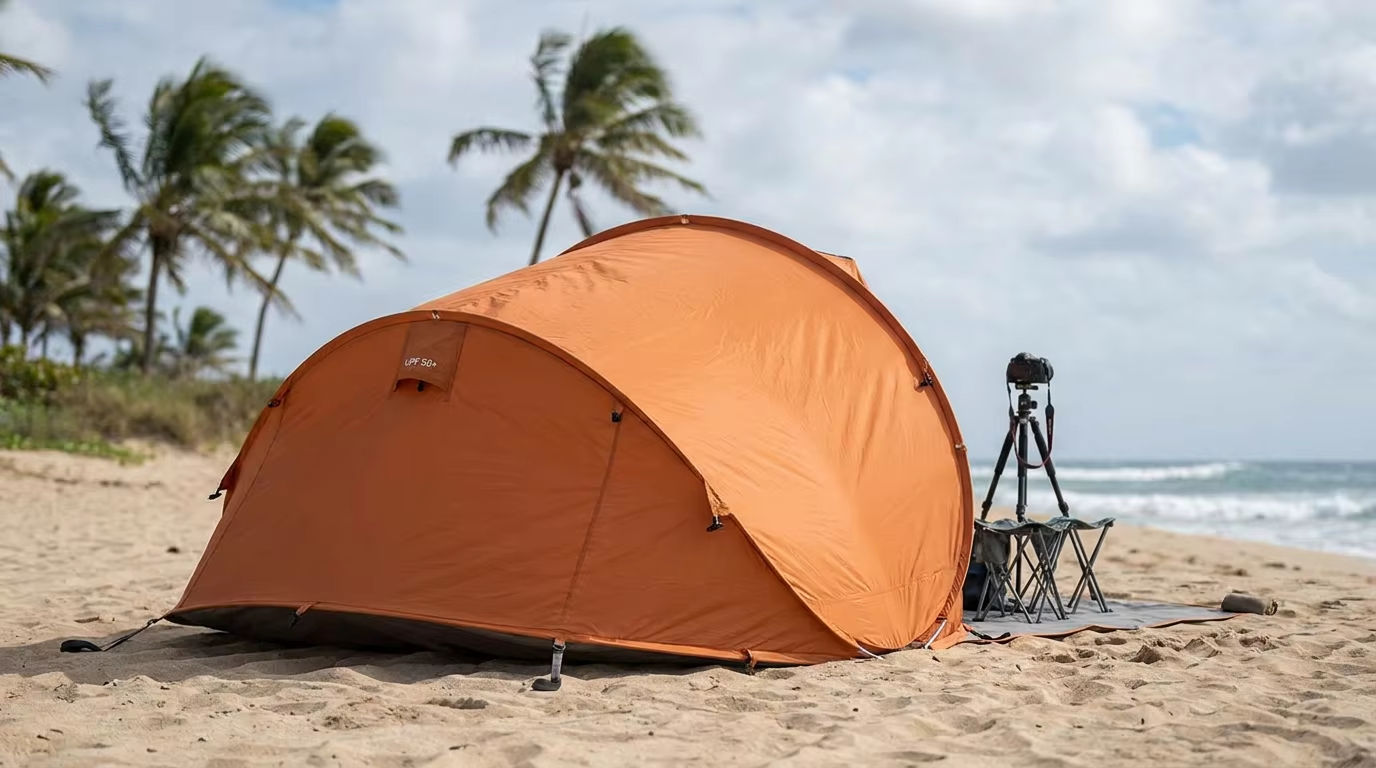
Having great fabric is only half the battle. The overall shape and structure of the shelter dictate how much light can sneak around the edges. A well-engineered beach tent utilizes full-coverage canopy shapes, such as extended awnings or tunnel-style roofs, to create a dense, multi-angle shade zone. Unlike a flimsy beach umbrella that leaves the legs exposed to morning or evening slants, premium tents feature vertical side walls constructed from the same high-UPF material. These walls serve a dual purpose: they block direct rays hitting at low angles, and they stop the bounce-back reflection that bounces off the wet sand. The best models on the market even include adjustable sun-tracking features, allowing the user to shift the canopy angle slightly as the sun drifts across the sky. This continuous adaptability means the UV shield remains tight over the family no matter the time of day, completely eliminating the frustration of constantly dragging chairs around to follow the shade.
The Science Behind UV-Resistant Fabric Materials
When looking under the hood, the durability of the UV protection comes down to the raw materials. Polyester is naturally more resistant to UV degradation than nylon. This is due to its molecular structure, which acts almost like a sponge, absorbing ultraviolet energy and dissipating it as low-level heat instead of breaking down the polymer chains. When the manufacturer combines this natural resilience with a high-thread-count weave—typically over 150 threads per inch—the fabric achieves a dense, light-blocking density that stops UV radiation in its tracks. Then, the real magic comes from integrated UV-inhibiting pigments, similar to those found in proprietary tech like SolarShield™. These pigments are mixed into the liquid polymer before the fabric fibers are extruded, meaning they are physically embedded within the core of the thread. Unlike a cheap surface coating that can peel away after one season, these embedded additives provide permanent, maintenance-free UV attenuation.
Why Coated Fabrics Fail and Layered Construction Saves the Day
Nylon is a classic outdoor fabric prized for being lightweight and compact. However, under extended coastal exposure, nylon suffers from photochemical chain scission. In simple terms, the sun physically breaks down the molecular bonds, causing the material to become brittle, fade rapidly, and lose tensile strength after just a few months. Manufacturers sometimes apply polyurethane or silicone surface coatings to artificially boost the UPF rating. These coatings initially work, but they degrade quickly under the assault of salty ocean mist, wind-blown sand abrasion, and tight folding cycles. The solution found in truly premium beach shelters is dual-layer construction. This approach uses a tough, UV-optimized polyester outer shell that takes the primary beating from the sun, while a secondary functional layer—often breathable mesh or a reflective metallic backing—catches any residual transmission. Even if the outer fabric scuffs against a rock or suffers minor damage, the internal layer maintains a high level of sun defense. This redundancy is the reason high-end beach tents keep their UPF 50+ certification year after year, surviving multiple summer seasons without losing protective power.
How Smart Buyers Verify Real-World Protection
Before swiping the credit card, a savvy shopper can take a few specific steps to ensure the UV rating is genuine. First, ask the retailer or brand for the third-party certified UPF test reports. Legitimate manufacturers are happy to share accredited lab results following protocols such as AATCC TM183, which tests fabric under simulated stretching, humidity, and abrasion. Second, inspect the physical feel of the material. A tight, heavy-duty polyester with a dense weave feels substantial; lightweight coated nylon often feels thin and slippery. Third, look for a solid warranty period, often two to five years, which indicates the brand is confident in the UV inhibitor's permanence. Finally, ask if the product has been field-tested in real salt-air coastal environments. True durability is proven not just in sterile laboratories, but by surviving months of strong sun, salt spray, and frequent packing into a duffel bag.
Reliable Supply Chains Ensure Superior Component Performance
Producing a beach tent that truly withstands the planet's harshest coastal conditions takes more than a clever design on paper. It demands disciplined manufacturing processes and a transparent, reliable supply chain. When a production facility rigorously adheres to internationally recognized quality management systems, such as ISO 9001, every single batch of raw materials—from the UV-stabilized yarns to the metal joint fittings—undergoes strict incoming inspections. It is this deep-rooted control over the manufacturing lifecycle that guarantees the final product ships with absolute structural integrity. For families who rely on these shelters to provide genuine, unfailing sun protection year after year, partnering with a specialized manufacturer that oversees everything from raw material sourcing to final threading and packaging offers undeniable peace of mind. That level of accountability turns a simple fabric shelter into a trustworthy health investment for every sunny getaway.