 EN
EN

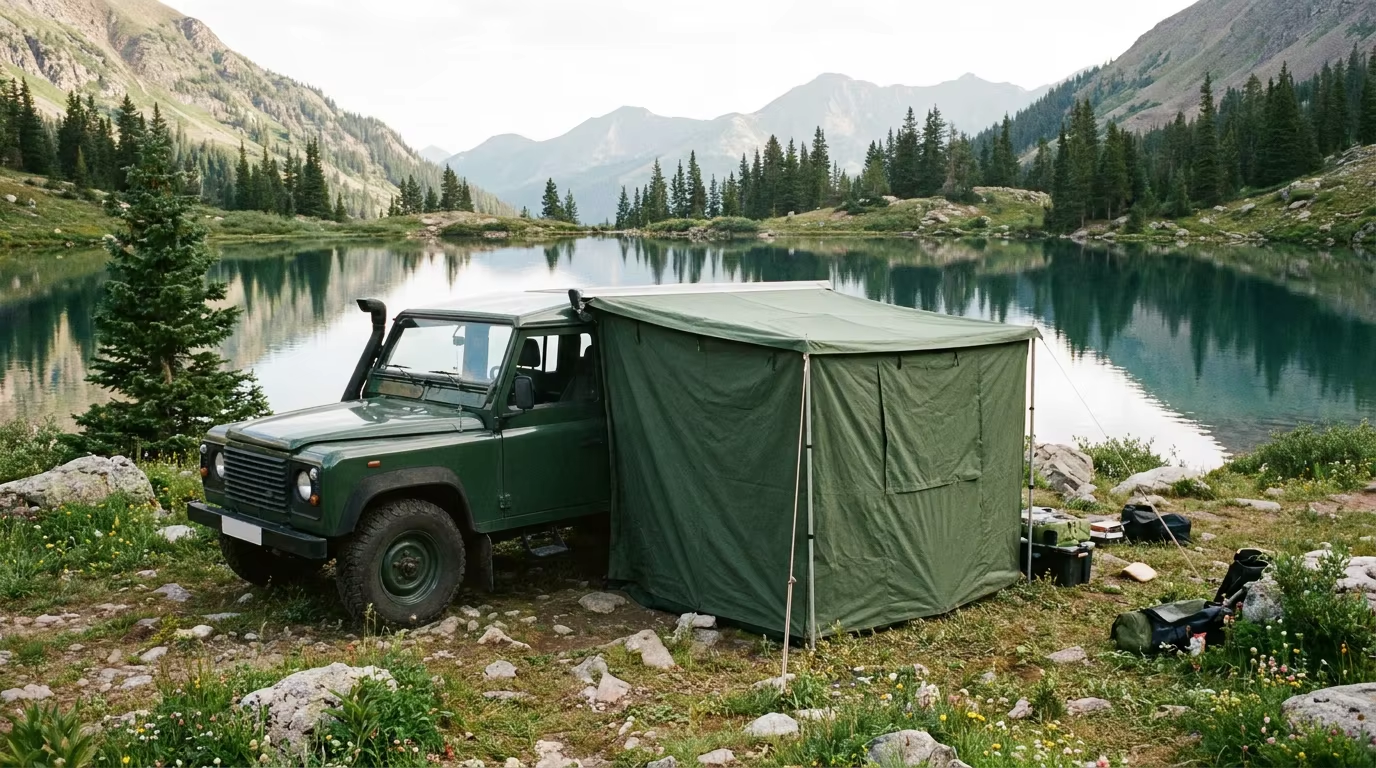
Understanding the SUV Tent: Building a Mobile Basecamp That Works
For those who frequently trade paved roads for gravel tracks, the difference between a good trip and a great one often comes down to logistics. Carrying a bulky ground tent, wrestling with pegs, and stumbling around in the dark to grab a jacket from the car can quickly drain the excitement out of an adventure. An SUV tent solves this by fundamentally rethinking how shelter connects to transport. It is not just a piece of fabric; it is a bridge between the vehicle and the campsite. When the rear hatch opens and the tent’s sleeve seals over the opening, the car transforms from a driving machine into a dry, powered, and secure living space. This integration makes overnight stays far more comfortable and significantly safer, ensuring that the wild outdoors remains an enjoyable experience rather than a logistical nightmare.
Defining the Core Design and the Real Magic of Integration
The defining characteristic of an SUV tent is its vehicle-specific attachment sleeve. Unlike ground tents that sit entirely independent, these shelters wrap around the open tailgate or side door. This design creates a seamless, weather-resistant passage that allows direct access to the vehicle’s interior. The real-world advantage of this setup becomes immediately apparent on a chilly mountain morning. Instead of unzipping a freezing tent door and stepping outside, a camper simply crawls across the floor pad and reaches straight into the cargo bay. Whether grabbing an extra blanket, pulling a cold drink from a portable fridge, or turning on the cabin heater, everything happens without exposing the body to harsh weather. The reinforced attachment points used in quality models also mean there are no stakes to hammer into rocky ground—the heavy weight of the SUV acts as the primary anchor, keeping the shelter firmly in place even when the wind picks up.
Stepping Beyond Traditional Tents with Practical Comfort
Standard camping tents serve a basic purpose, but they isolate the sleeping quarters from the transport. This separation leads to constant trips in and out, often in the rain, to retrieve forgotten gear. An SUV tent eliminates this disconnect entirely. The vehicle becomes a functional extension of the tent itself. The flat cargo floor can double as a sleeping platform that remains off the cold, damp soil, which is a substantial improvement over a standard tent that sits directly on the ground. Additionally, the car’s built-in 12-volt power outlets and interior lighting are now just inches away from the sleeping zone. For families, this setup is transformative. Children can stay warm inside the tent annex while adults prepare meals in the connected hatch area. It creates a cohesive campsite where the flow of people and gear is continuous and weatherproof, turning the vehicle into a true basecamp for the adventure.
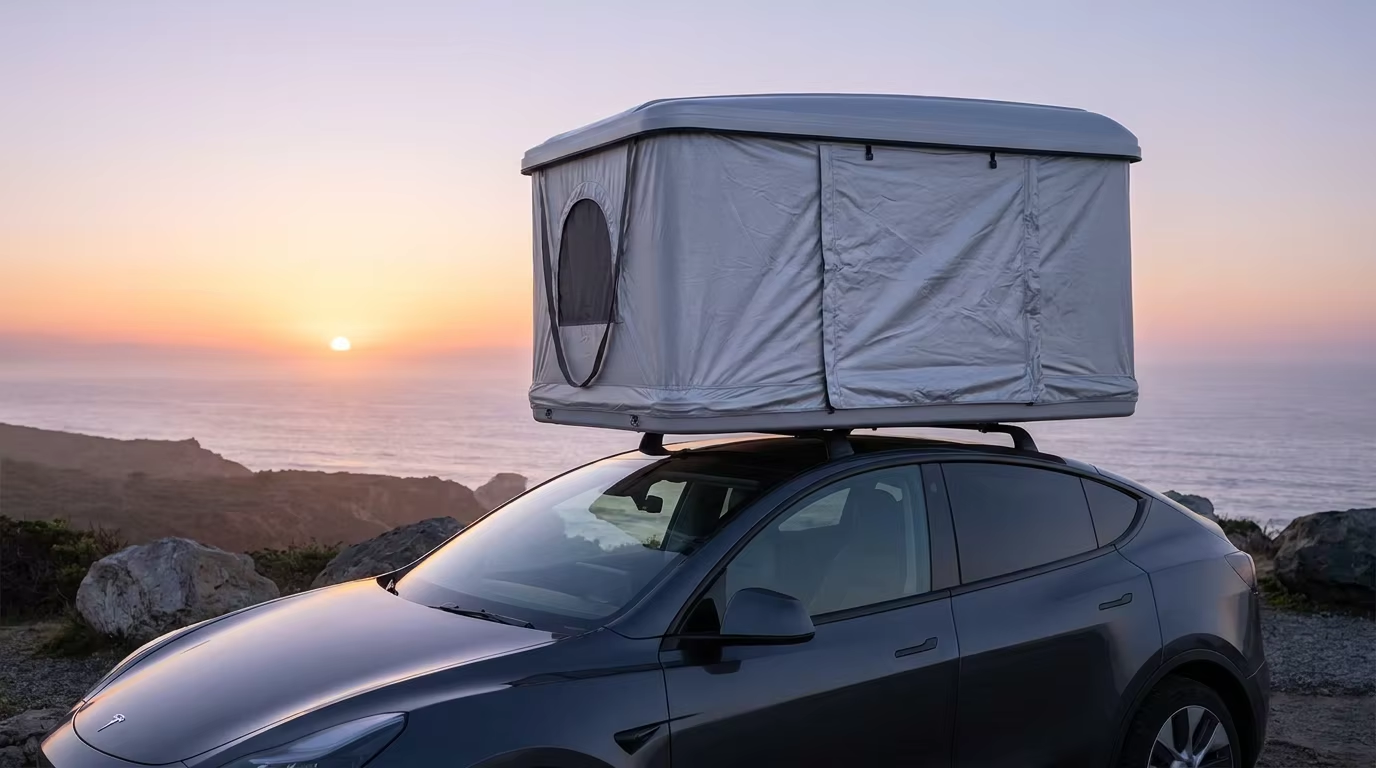
Analyzing Mounting Options: Roof vs. Hitch Systems
When shopping for an SUV tent, the mounting method drastically changes how the gear handles in the field. Roof-mounted systems, which attach to crossbars, elevate the tent floor completely off the ground. Overlanders who frequent rugged terrain prefer this style because it preserves precious ground clearance and leaves the space beneath the car available for extra storage. However, because the tent sits high, users must climb a ladder to enter, and depending on the design, the roof tent might partially obstruct the rear hatch from opening wide. Hitch-mounted designs anchor directly into a standard 2-inch receiver hitch. These models offer a completely different set of benefits. Setup is remarkably quick, often requiring just a few minutes to slide the frame into place. They sit much lower to the ground, offering easy entry without a ladder, and they leave the rear hatch fully functional. For family campers who prioritize rapid setup and straightforward access to the car trunk, the hitch-mounted version usually proves more practical for daily use.
Making the Vehicle Connection Seamless and Weathertight
The integrity of the vehicle connection hinges on the fit between the tent sleeve and the car's specific geometry. SUV tents are not a one-size-fits-all product. A reliable seal requires the sleeve to stretch properly around rear spoilers, protruding roof rails, or spare tire mounts. Universal-fit models with adjustable straps generally outperform fixed sleeves. Premium manufacturers engineer the seal with tension bands and heavy-duty elastic to accommodate a wide range of vehicles. When this seal is properly set, it locks out driving rain and dust effectively. The interior remains clean and dry even during heavy downpours, creating a crucial barrier that keeps the sleeping area separate from the elements. Proper sealing also removes gaps where insects can enter, ensuring that bugs stay outside where they belong.
Built-In Versatility: Storage, Power, and Modular Living
A high-quality SUV tent goes far beyond providing a space to sleep. The best models include internal storage nets, side pockets, and fabric loops that accommodate modular add-ons. The direct connection to the vehicle's 12-volt system means campers can easily power LED lighting strips, charge mobile phones, or run a small fan directly from the car battery without needing a separate generator. For extended trips, clip-in gear pods or screened-in side rooms can attach to the main structure, effectively expanding the living area without compromising the weather seal. This modular nature allows users to customize the setup depending on the trip duration and weather conditions. Whether it's a quick overnight stop or a week-long overland expedition, the tent grows with the user's needs.
Addressing Real-World Durability and Environmental Challenges
The wilderness is unforgiving, and camping gear must match that standard. Top-tier SUV tents utilize heavy-duty polyester with a minimum 3000mm hydrostatic head rating. This rating, coupled with fully taped seams and storm flaps, ensures the fabric withstands heavy rain without leaking. Airflow management is equally critical to comfort. Manufacturers address internal condensation by incorporating dual-level ventilation systems, using lower vents to pull in cool air while roof vents exhaust warm, moist air. This airflow cycle keeps the environment fresh and prevents the interior from becoming stuffy. In actual outdoor settings, users frequently report that these ventilation systems maintain a much lower humidity level inside compared to traditional enclosed ground tents, leading to a significantly better night's sleep.
Choosing the Right Setup for Different Adventures
The value of an SUV tent becomes truly apparent when matched with specific travel styles. Overlanding requires speed and resilience. A hitch-mounted model allows a driver to disconnect the tent and drive away for a quick trail exploration in under ten minutes, keeping the cargo accessible at all times. For a family weekend, a tailgate-sealed model with a large annex provides a massive indoor living space. Parents can sleep inside the car cabin for privacy, while the kids use the tent annex. In a tailgating or festival scenario, the same SUV tent functions as a shaded gathering spot. The sidewalls can be rolled up to create an open-air lounge, while the car's tailgate becomes a convenient serving station for food and drinks. The adaptability across these varied contexts is what separates a dedicated basecamp system from a standard temporary shelter.
Why Manufacturing Standards Matter for Product Longevity
Ultimately, the consistent performance of an SUV tent in harsh conditions is not just about clever design; it is a direct reflection of manufacturing discipline. The longevity of the zippers, the tensile strength of the pole joints, and the consistency of the fabric coating all depend on a tightly controlled production process. Reputable suppliers who strictly adhere to international quality management systems, such as ISO 9001, ensure that every batch of raw materials meets rigorous chemical and physical benchmarks. By overseeing the entire manufacturing lifecycle—from sourcing high-tenacity yarns to the final stress-testing of the assembled shelter—these specialized factories eliminate common points of premature failure. For outdoor enthusiasts who rely on their gear for safety in remote locations, this dedication to supply chain transparency and component integrity provides irreplaceable peace of mind, ensuring the shelter performs exactly as intended, season after season.