 EN
EN

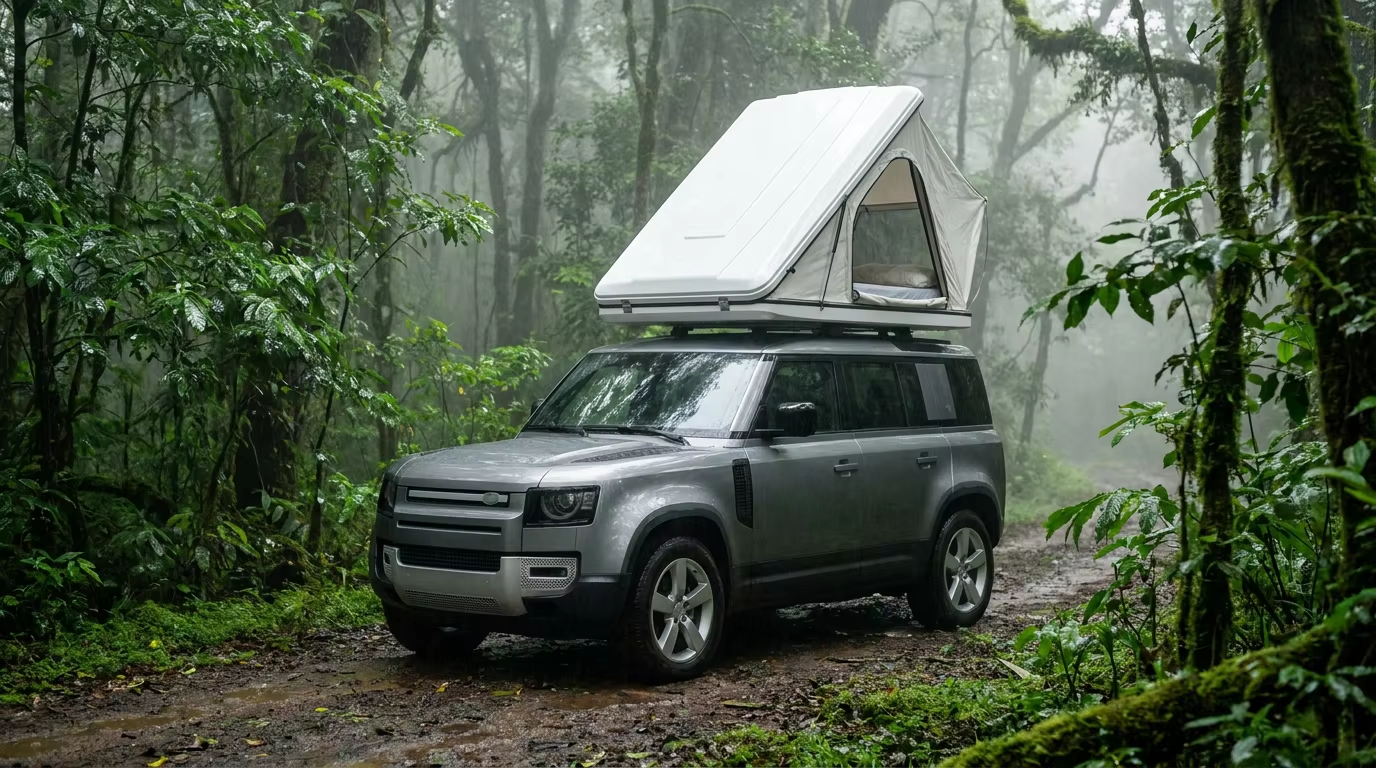
A rooftop car tent delivers an elevated sleeping platform that keeps occupants off cold, uneven ground. For a weekend trip, that is enough. By day three of a week-long overland journey, the limitations stack up: clothing bags piled in one corner, no dry place to stand while changing, and a family of four navigating each other inside a 56-square-foot rectangle originally designed for two.
An annex room does not just add square footage. It changes how a car tent functions — from a sleeping pod to a two-level living system. The question is whether that transformation justifies the added weight, setup time, and cost.
What an Annex Room Actually Does
It Creates a Weather-Protected Transition Zone
Getting out of a rooftop car tent in heavy rain means climbing down a wet ladder into mud. An annex room extends from the tent base to the ground, enclosing the ladder and creating a dry, sheltered space beneath the sleeping platform. This single feature turns a foul-weather morning from an ordeal into a manageable routine: descend the ladder inside a dry enclosure, pull on boots, and step out prepared.
It Separates Sleeping From Storage
In a standard car tent, everything comes up the ladder — backpacks, shoes, camp kitchen gear — and competes for floor space with sleeping bags. An annex room absorbs that overflow. Store gear at ground level. Climb up to an uncluttered sleeping area. The psychological effect is disproportionate to the extra square footage: the sleeping platform feels like a bedroom instead of a storage locker with a mattress.
It Provides a Private Changing and Washing Area
Extended camping trips eventually require changing clothes, wiping down with a camp towel, or managing wet gear away from sleeping surfaces. An annex room offers floor-to-ceiling privacy for these tasks. On family trips, this matters even more — teenagers and parents each get a private transition zone instead of awkwardly taking turns inside the vehicle.
The Engineering Trade-Offs That Matter
Weight and Vehicle Roof Load
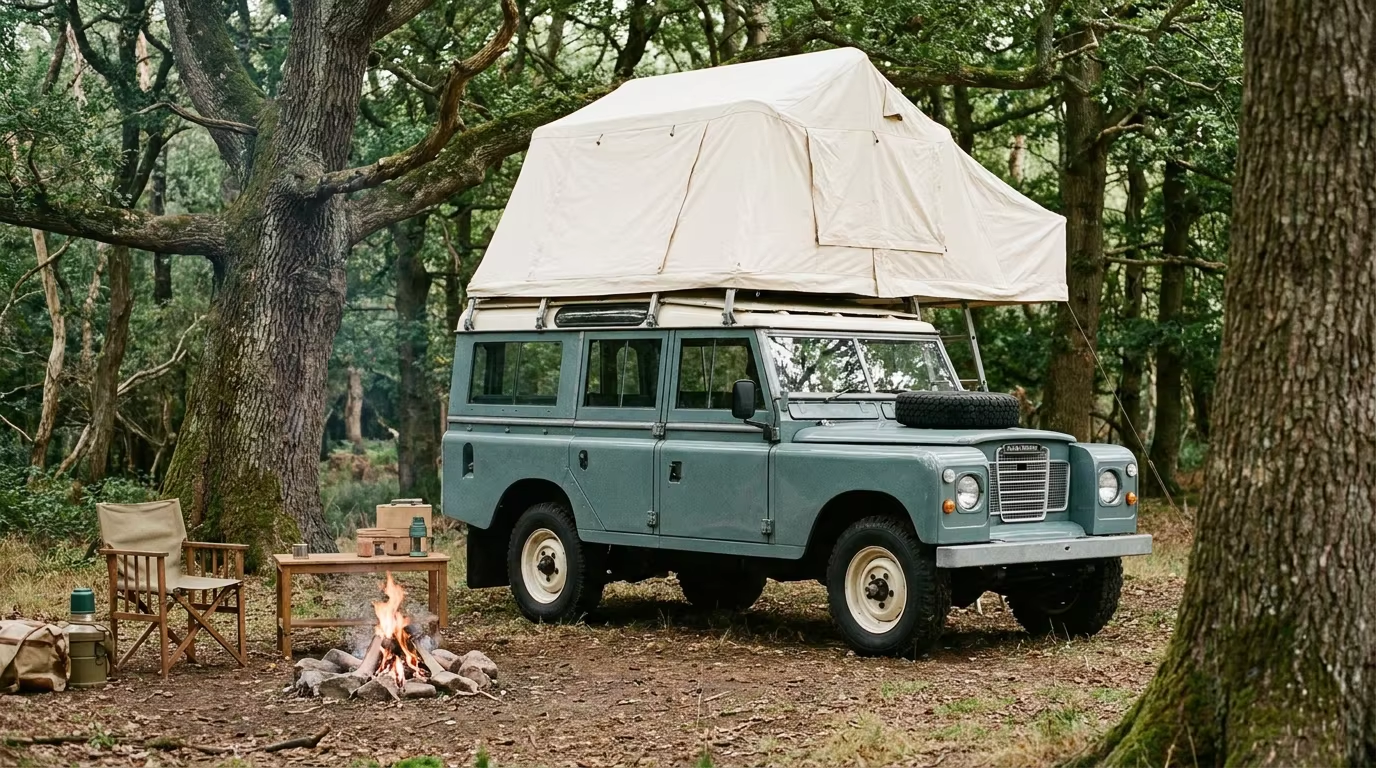
A car tent with an annex room adds 30-50 pounds to the base tent weight, depending on annex fabric and frame design. Dynamic roof load ratings — the weight a vehicle roof can carry while driving — typically range from 150 to 220 pounds for mid-size SUVs. A tent-annex combination weighing 170 pounds leaves zero margin for roof racks, awnings, or additional cargo. Cross-reference the combined system weight against the vehicle's dynamic rating before purchasing.
Setup Time Under Real Conditions
An experienced solo camper can deploy a basic rooftop car tent in under three minutes. Adding an annex room extends that to 8-12 minutes, even with practice. The annex frame must be assembled at ground level, the fabric walls attached via zippers or clips, and the entire structure tensioned with stakes and guy lines. In wind or fading daylight, that extra 10 minutes matters.
Condensation Management in Enclosed Spaces
A fully zipped annex room on a humid night becomes a condensation trap. Warm air from the vehicle or ground rises into the enclosed space, hits cooler fabric walls, and deposits moisture. A car tent annex with large mesh panels and adjustable vents manages this effectively. A poorly ventilated annex leaves gear and interior walls damp by morning. Look for annex designs with dual-zipper door panels that can open from the top down, allowing warm air to escape while maintaining privacy.
A Real Overland Application
An overland touring operator in Australia's Kimberley region ran a fleet of six vehicles fitted with rooftop car tent setups for guided multi-day expeditions. During the first season, five of the six vehicles carried standard tents without annex rooms. Client feedback was consistent: the tents were comfortable for sleeping, but wet-season mornings were miserable — no dry area for organizing gear, no private space for changing, and constant ladder traffic tracking mud onto sleeping surfaces. The operator retrofitted all six vehicles with annex rooms before the second season. Post-trip satisfaction scores on "living comfort" rose from an average of 3.2 out of 5 to 4.6. The per-vehicle equipment cost increased by roughly $600, but the improvement eliminated a recurring negative point in client reviews — a factor the operator valued above the equipment expense.
Procurement Checklist for Car Tent Annex Systems
Verify Zipper Compatibility Across Production Batches
An annex room zips to a car tent base along a zipper track that runs the perimeter of the tent floor. Zipper coil gauge and pitch must match exactly between the tent and annex. Request that the supplier ship one tent and one annex from current production inventory, then test the zipper connection before committing to a bulk order. Mismatched zipper specifications are among the most common compatibility failures in mixed-batch shipments.
Assess Frame Material for Corrosion Resistance
Annex frames sit closer to the ground and encounter more moisture than the elevated tent platform. Aluminum poles with anodized finishes resist corrosion better than painted steel. Fiberglass poles in annex applications are vulnerable to splintering at ground-level joints where sand and grit accumulate. Ask for the frame material specification and a salt-spray test result if the car tent will see coastal or high-humidity use.
Evaluate the Annex-to-Tent Connection Design
The connection between annex and tent is the system's structural weak point. A continuous zipper track with a storm flap covering it on the outside prevents water from wicking through the zipper teeth. Clip-on designs using plastic buckles are faster to connect but less weather-resistant and more prone to failure under wind load than full-length zippers.
Frequently Asked Questions
Is a car tent annex room worth the extra cost?
For trips lasting three nights or longer, a car tent annex room delivers measurable comfort improvements: dry gear storage, a private changing area, and a weather-protected entry. The value increases proportionally with trip duration and group size. For weekend-only use, the benefit may not justify the added setup time.
How much weight does an annex room add to a car tent?
An annex room typically adds 30-50 pounds to the total car tent system weight, depending on size and materials. Aluminum-framed annexes run lighter than steel-framed versions. Always calculate the combined weight against the vehicle's dynamic roof load rating before installation.
Can an annex room be used as a standalone shelter?
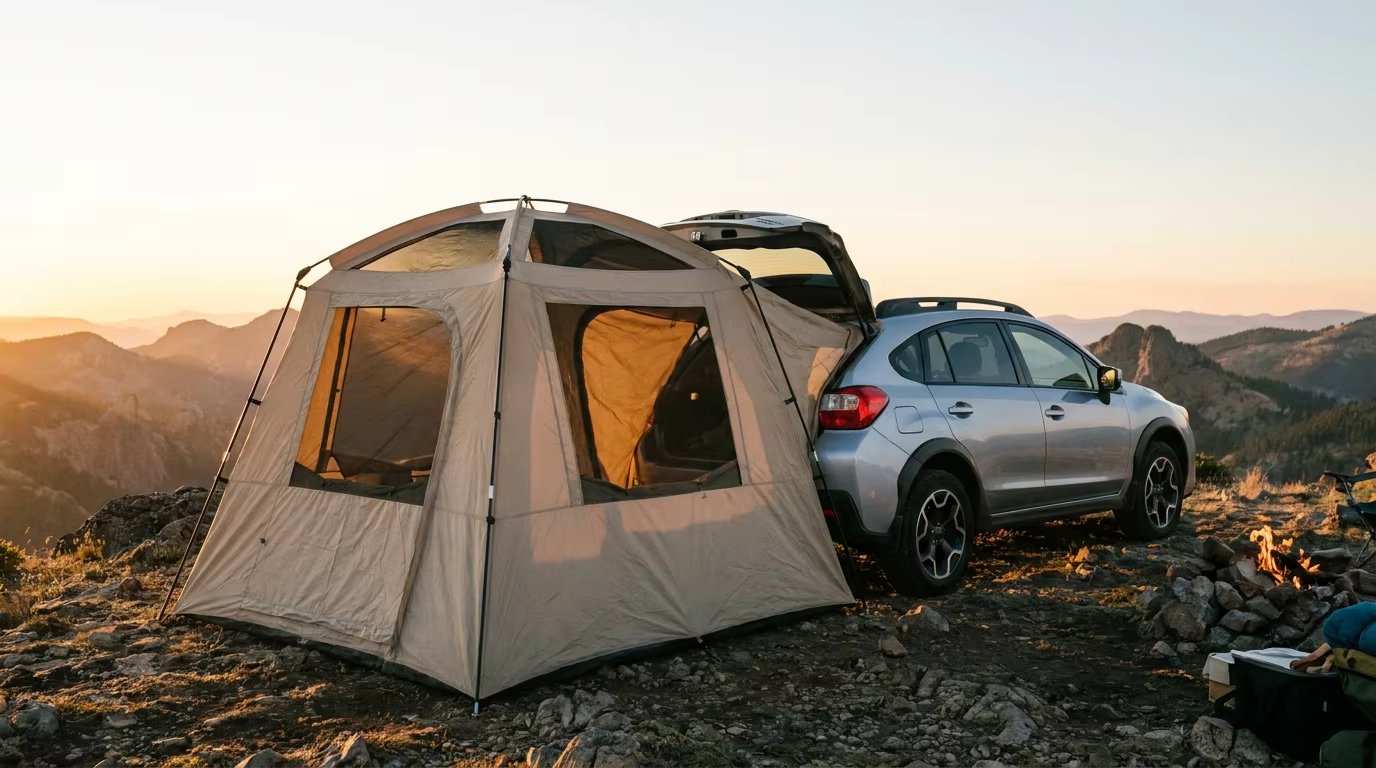
Some car tent annex models function independently when detached from the tent base, serving as a ground-level changing room or gear shelter. Check the product specifications — standalone use requires a complete pole set and floor pan, which not all annex designs include.
How does an annex room affect fuel economy on long trips?
A rooftop car tent already increases aerodynamic drag. Adding an annex room folded inside the tent adds minimal additional drag since the external profile does not change significantly. The primary efficiency penalty comes from the tent itself, typically a 10-15% fuel economy reduction at highway speeds on mid-size SUVs.
What is the best fabric for a car tent annex in wet climates?
Polyester with a polyurethane coating and taped seams provides the best moisture resistance for car tent annex rooms. Ripstop polyester adds tear resistance for windy conditions. Avoid cotton-canvas annexes in consistently wet environments — they absorb moisture, become heavy, and require extended drying time.
How long does it take to set up a car tent with an annex room?
Plan for 8-12 minutes for a complete car tent and annex setup after several practice runs. The base tent deploys in 2-3 minutes; the annex frame assembly and fabric attachment account for the remaining time. Two-person setup reduces the time to 6-8 minutes by allowing simultaneous tent and annex deployment.