With the rise of global overlanding culture—an outdoor trend that emphasizes self-reliant, long-distance travel to remote and natural destinations—rooftop tents have emerged as the strongest engine for growth in the global tent industry. Unlike traditional ground tents, rooftop tents offer unique advantages that perfectly align with the needs of overlanders: they free up valuable space inside vehicles, provide elevated shelter from ground moisture, pests, and uneven terrain, and enable quick setup even in unfamiliar environments. As more adventurers embrace the freedom of overlanding, the demand for high-performance rooftop tents has surged, reshaping the industry’s growth trajectory. According to data from Globalgrowthinsights, the global rooftop tent market is expected to reach $291.3 million in 2026 and maintain a steady compound annual growth rate (CAGR) of 7.77% over the next decade, a clear indication of its rising popularity and long-term market potential.
Among the various types of rooftop tents, hard-shell models have become the dominant choice, accounting for over 55% of the global market share in 2026. Their widespread adoption can be attributed to two core advantages: superior aerodynamic design and rapid deployment capabilities—both critical for overlanding and EV-compatible camping. Hard-shell rooftop tents feature a rigid, streamlined outer casing made of lightweight yet durable materials such as fiberglass, aluminum alloy, or carbon fiber, which minimizes wind resistance when the vehicle is in motion. This aerodynamic design not only reduces fuel or energy consumption (a key concern for EV and SUV owners) but also ensures stability at high speeds, eliminating the noisy flapping associated with soft-shell alternatives. Additionally, hard-shell models boast rapid deployment: most can be set up in 30 seconds to 2 minutes with a simple hydraulic or gas strut system, requiring no manual assembly or complicated tools. This convenience is a game-changer for overlanders, who often need to set up camp quickly after a long day of driving, especially in remote areas where time and efficiency are paramount.
The global market for rooftop tents is characterized by distinct regional dynamics, with North America and the Asia-Pacific region leading the way. North America, as the world’s largest consumer market for rooftop tents, accounts for over 40% of global sales. This dominance is driven by a well-established overlanding culture, a high penetration rate of SUVs and pickup trucks (ideal for rooftop tent installation), and a strong preference for outdoor recreation among residents. In countries like the United States and Canada, overlanding has become a mainstream lifestyle, with enthusiasts investing in high-quality gear to enhance their outdoor experiences. Rooftop tents here are often equipped with premium features such as integrated sleeping mats, built-in storage pockets, and weather-resistant zippers, catering to consumers’ demand for comfort and durability.
Meanwhile, the Asia-Pacific region is showing strong growth potential, fueled by the self-driving tour craze led by China. In recent years, China’s outdoor recreation market has boomed, with more urban residents seeking escape from city life through self-driving trips to mountains, deserts, and coastal areas. This trend has driven a surge in demand for rooftop tents, as Chinese consumers increasingly recognize their convenience and versatility. Manufacturers in the region have responded by launching affordable yet high-performance models tailored to local needs, such as compact designs suitable for smaller SUVs and enhanced thermal insulation to adapt to China’s diverse climate conditions. Additionally, the rise of social media platforms in Asia has amplified the popularity of rooftop tents, with influencers sharing their overlanding experiences and showcasing the tents’ aesthetic and functional appeal, further driving consumer interest. Other countries in the Asia-Pacific region, such as Australia and Japan, are also contributing to the growth, with their own thriving overlanding communities and demand for reliable outdoor gear.
Modern rooftop tents are evolving towards more lightweight and streamlined designs while maintaining durability—a balance that addresses the core needs of today’s outdoor enthusiasts, particularly EV and SUV owners. To reduce weight, manufacturers are increasingly using advanced lightweight materials, such as carbon fiber composites and high-strength aluminum alloys, which are 30-40% lighter than traditional materials while maintaining the same or higher structural strength. This weight reduction not only minimizes the impact on vehicle range (critical for electric vehicles) but also makes the tents easier to install and remove, even for a single person. Streamlined designs, meanwhile, are being refined through aerodynamic simulations and wind tunnel testing, ensuring that the tents create minimal drag when the vehicle is moving, further improving energy efficiency.
Despite their lightweight construction, modern rooftop tents do not compromise on durability. Manufacturers are incorporating reinforced stitching, weather-resistant fabrics (such as 420D Oxford cloth with PU coating), and robust frame systems to ensure the tents can withstand harsh outdoor conditions—from heavy rain and strong winds to extreme temperatures. Many models also feature waterproof and UV-resistant outer layers, preventing damage from prolonged sun exposure and ensuring long-term use. Additionally, some high-end rooftop tents come with additional features to enhance durability and functionality, such as anti-theft locks, adjustable mounting systems (compatible with most SUV and pickup truck roof racks), and modular add-ons like awning extensions for extra shade.
As overlanding culture continues to spread globally, the rooftop tent market is poised for sustained growth. Manufacturers will continue to innovate, focusing on integrating smart technologies (such as solar panel compatibility and smartphone-controlled lighting) and sustainable materials to meet the evolving demands of consumers. With their unique combination of convenience, durability, and versatility, rooftop tents are not just a trend—they are reshaping the future of outdoor camping, solidifying their position as the core driver of the tent industry’s tech revolution in 2026 and beyond.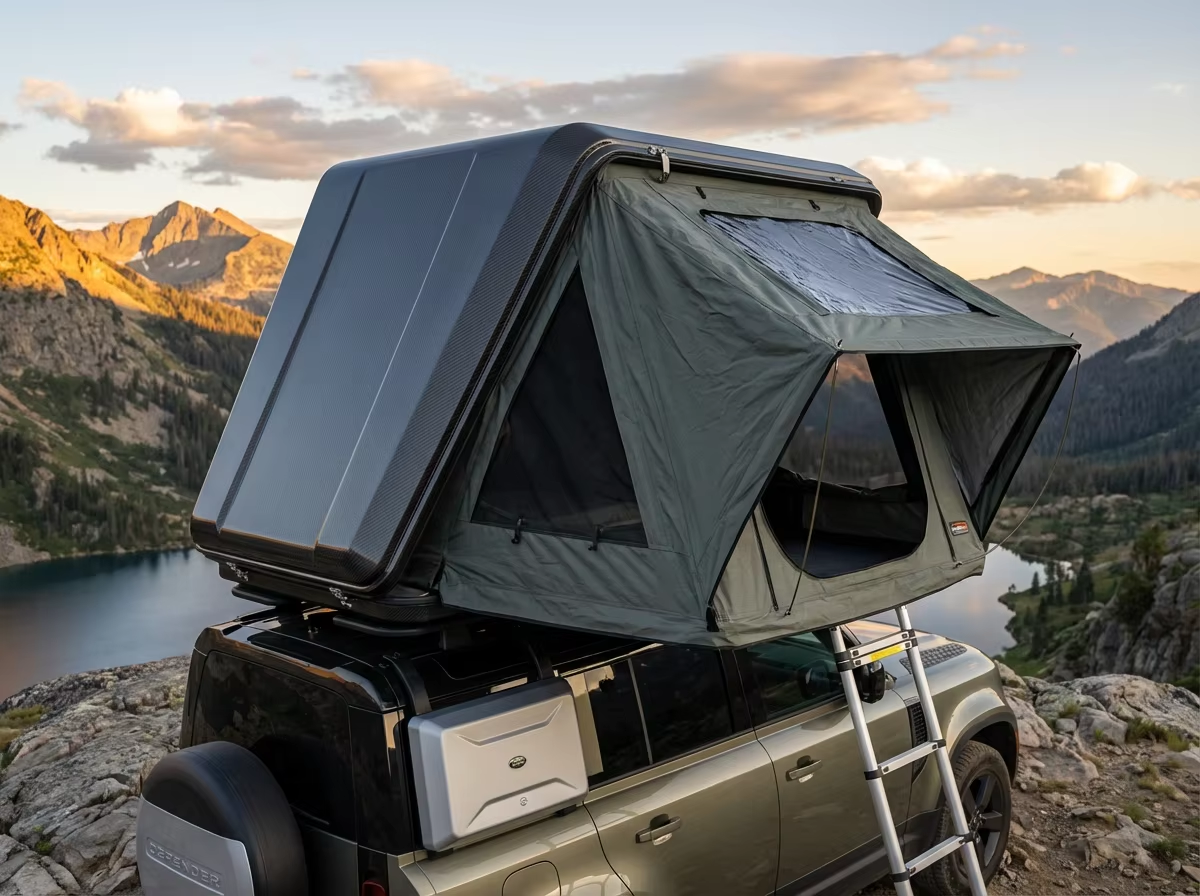
 EN
EN