Against the backdrop of global sustainable development initiatives and the rapid popularization of electric vehicles (EVs), tent design in 2026 is undergoing a profound "tech revolution" that redefines the outdoor camping experience. As more people embrace eco-friendly lifestyles and seek seamless integration between nature and modern convenience, camping gear—especially tents—has evolved from simple shelter tools into smart, sustainable, and user-centric products. According to research data from Globalgrowthinsights, this transformation is driven by three key consumer demands, each shaping the direction of tent innovation and reflecting broader trends in outdoor recreation.
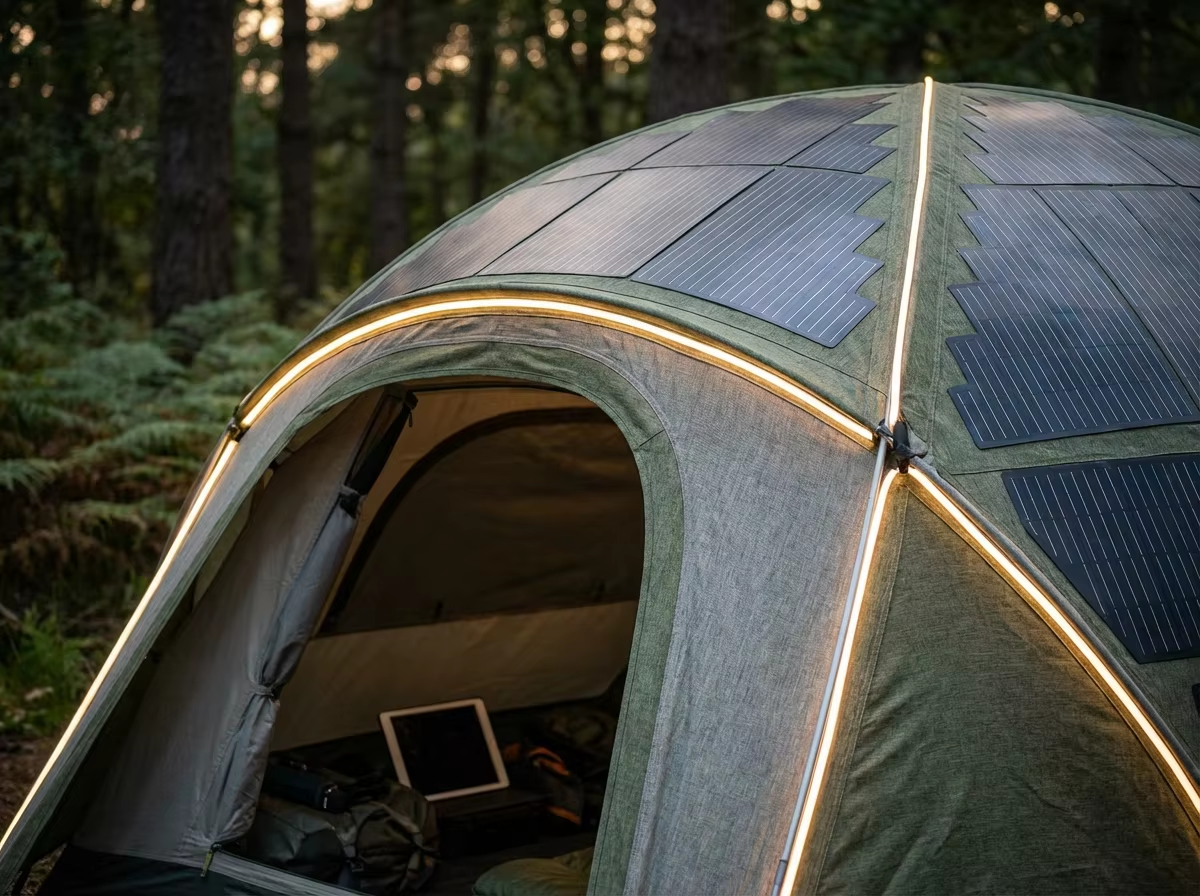
Surveys show that 39% of new tent models launched in 2026 integrate flexible solar panels and built-in LED lighting systems, a direct response to consumers’ growing demand for clean, off-grid energy in outdoor settings. These flexible solar panels, typically made of high-efficiency monocrystalline cells with ETFE lamination, are ultra-lightweight (as light as 1.95kg for a 100W panel) and bendable, allowing them to be seamlessly attached to tent canopies without adding excessive weight or compromising portability. With a conversion efficiency of over 23%, they can harness sunlight to power not only the built-in LED lights but also charge small electronic devices like smartphones, cameras, and portable speakers, eliminating the need for disposable batteries and reducing environmental impact. The built-in LED lighting systems, often dimmable and energy-efficient, provide soft, uniform illumination for nighttime activities, while some models even offer color-adjustable settings to create different atmospheres, blending functionality with comfort. This integration of clean energy technology not only aligns with global sustainability goals but also addresses the practical needs of outdoor enthusiasts who want to stay connected and comfortable without relying on traditional power sources.
At the same time, as the share of electric SUV buyers rises to 27%, consumers have put forward clear requirements for the drag-reduction design of tents, particularly rooftop tents, to minimize range loss of their electric vehicles. Electric SUV owners, who often use their vehicles for camping trips, are acutely aware that bulky, ill-designed rooftop tents increase wind resistance, which in turn reduces the vehicle’s driving range. To tackle this issue, 2026 tent models feature aerodynamic designs inspired by high-wind-resistant tent structures, such as streamlined profiles and tight tensioning systems that direct wind over the tent rather than against it. Some advanced models, like the Mars Aeroblade, boast a razor-thin 3.5-inch profile when folded, significantly reducing drag and improving the vehicle’s energy efficiency while also making garage parking easier. Additionally, manufacturers are using lightweight, high-strength materials like aluminum frames and durable polyester fabrics to reduce the overall weight of the tent, further minimizing its impact on EV range. These drag-reduction and lightweight designs ensure that electric SUV owners can enjoy camping without sacrificing the vehicle’s performance.
In addition, Gen Z and Millennials account for 42% of the tent buyer group, and their unique preferences are driving another wave of innovation in tent design. This demographic, known for valuing convenience, aesthetics, and social sharing, has a high preference for "ready-to-go" hydraulic automated construction technology and social media-friendly visual aesthetics, particularly the Glamping (glamorous camping) style. Hydraulic automated tents, equipped with advanced hydraulic支架 systems, can be set up in just 3 seconds with a simple lift and press, and folded equally quickly, eliminating the hassle of manual assembly and saving valuable time for outdoor activities. This "ready-to-go" feature is especially appealing to young campers who want to avoid the frustration of complicated tent setup and focus on enjoying their outdoor experience. Meanwhile, Glamping-style tents prioritize visual appeal, with interior designs that blend comfort and style—think layered cozy rugs, twinkle lights, vibrant tapestries, and soft cushions—that are perfect for sharing on social media platforms like Instagram and TikTok. Externally, these tents often feature sleek lines, neutral color palettes, and decorative details, while internally, they offer spacious layouts and premium amenities that make camping feel like a luxury experience rather than a rough outdoor adventure.
Future camping tents will seamlessly integrate clean energy and smart technology to provide users with the ultimate outdoor living experience. Beyond the current innovations, upcoming models are expected to incorporate more advanced features, such as smartphone connectivity to control lighting and energy usage, and modular designs that allow users to customize their tent space according to their needs. Manufacturers will continue to prioritize sustainability by using recycled materials and improving the energy efficiency of solar panels, while also enhancing the durability and weather resistance of tents through reinforced fabrics and advanced anchoring systems that can withstand strong winds. As the tent design revolution continues to unfold, it will not only meet the evolving demands of consumers but also contribute to a more sustainable and enjoyable outdoor lifestyle, bridging the gap between nature and modern technology.
Industry Summary and Outlook
2026 is a pivotal year for the tent industry's transition from "traditional shelter equipment" to "mobile living space." Rooftop tents are gradually eroding the high-end market share of traditional ground tents, while intelligence, lightweighting, and the use of eco-friendly materials are no longer optional extras but mandatory entry requirements for the international market. For relevant enterprises, R&D for EV adaptability and deep operation of online channels (which already account for over 35% of sales) will be the core logic to seize the growth dividend of 2026 Globalgrowthinsights.
Want more tailored results every time? Add a long-term preference.
 EN
EN