 EN
EN

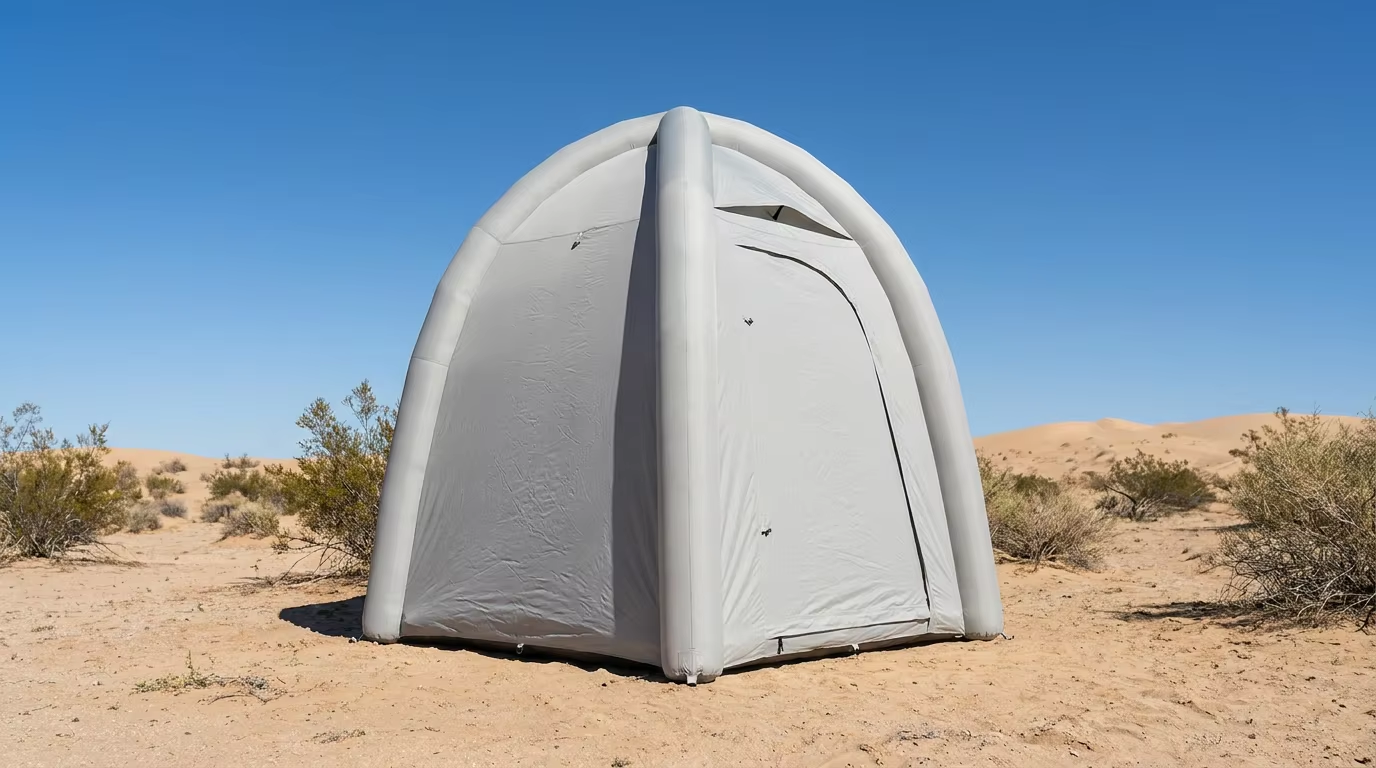
Hvorfor en brusehytte løser det mest oversete udendørs komfortproblem
Kataloger over campingudstyr dedikerer sider til sovesystemer, kogeudstyr og vandresko. Hygiejneudstyr – især hvor og hvordan man bader, skifter tøj og håndterer personlig sanitet – får uforholdsmæssigt lidt opmærksomhed, selvom det er én af de mest almindelige årsager til ubehag, som nybegyndercampere rapporterer. En undersøgelse fra 2023 foretaget af en større udendørsdetailist fandt, at 47 % af nye campere nævnte "manglende rene vaskemuligheder" som en af de tre vigtigste grunde til ikke at forlænge deres ture ud over én nat. En bærbar dusjetelt adresserer direkte denne mangel ved at skabe et privat, lukket rum, der omdanner en vandbeholder og en camp-douche til et funktionsdygtigt badeværelse overalt, hvor der findes en flad plads på jorden.
Hygiejnemanglen – hvordan campere håndterer manglen på et dedikeret vaskerum
Uden en dedikeret vaskestue improviserer campinggæster med utilstrækkelige løsninger. Et bad i en kølig sø for at skylle badeklæder fjerner overflade-smuts, men efterlader salt, algerester og bakterier på huden – hvilket potentielt kan forårsage irritation efter flere dage. Et svampebad inde i et sovetelt introducerer fugt i soveområdet, hvilket øger den indre luftfugtighed og fremmer mugdannelse i teltdugen. En hurtig klædeskift bag en bil-dør giver ingen beskyttelse mod vind, insekter eller blikket fra nabocampere. Hver improvisation bytter én komfortmangel ud med en anden uden at løse det centrale problem: behovet for en dedikeret, privat hygiejnezone, der holder vaskaktiviteter adskilt fra sove- og madlavningsområder.
A dusjetelt adskiller hygiejne fra opholdsområder ved hjælp af en fuldt lukket lodret konstruktion, der er ca. 190–210 cm høj og har en gulvplads på 120 × 120 cm. Adskillelsen er vigtig af to grunde ud over privatlivets fred. For det første forhindrer hygiejneadskillelse sæbeaffald, shampooafstrømning og fugtige handklæder i at forurene soveudstyr. For det andet giver et dedikeret bruseområde brugeren mulighed for at opsætte våde tøjer, tørre en handklæd og organisere toiletartikler uden at komprimere disse genstande i en trang sovetelt, hvor de skaber lugt- og fugtproblemer om natten.
Sådan løste en strandfestivalarrangør sanitetslogistikken med mobile brusetelte
Et tre-dages strandmusikfestival i sydlig Portugal tiltrak 8.000 deltagere, der lejrede sig på stedet. Arrangørerne havde oprindeligt budgetteret for fire mobile toilettrailere og antaget, at lejrere ville skylle sig af i havet. Allerede anden morgen skabte kombinationen af saltvandsrest, akkumuleret solcreme og varmt sand almindelig ubehagelighed. Deltagerne klagede over hudirritation fra tørret salt og lagt solcreme, og de mobile toiletter blev overvældet af lejrere, der brugte dem til svampbad og tøjskift.
Arrangørerne satte tolv mobile dusjetelt enheder inden for fire timer — hver en pop-up-struktur med en hængesæk til vand over hovedet, en nettaske til sæbe og en drænageskærm på gulvet, der tillod vand at trænge ned i sandet uden at danne mudderpudder. Teltene var arrangeret i kønsadskilte grupper med privatlivsskærme mellem enhederne. Campinggæsterne medbragte deres eget vand eller brugte festivalens friskvandsudstedning. Duschteltene fungerede kontinuerligt fra kl. 6 til kl. 22 de resterende to dage og håndterede cirka 45–55 brug pr. telt pr. dag. Efterbegivenhedsspørgeskemaer viste, at tilfredsheden med sanitetsfaciliteterne steg fra 3,2/10 den første dag til 7,8/10 den anden og tredje dag — et direkte resultat af at tilbyde dedikerede hygiejnefaciliteter.
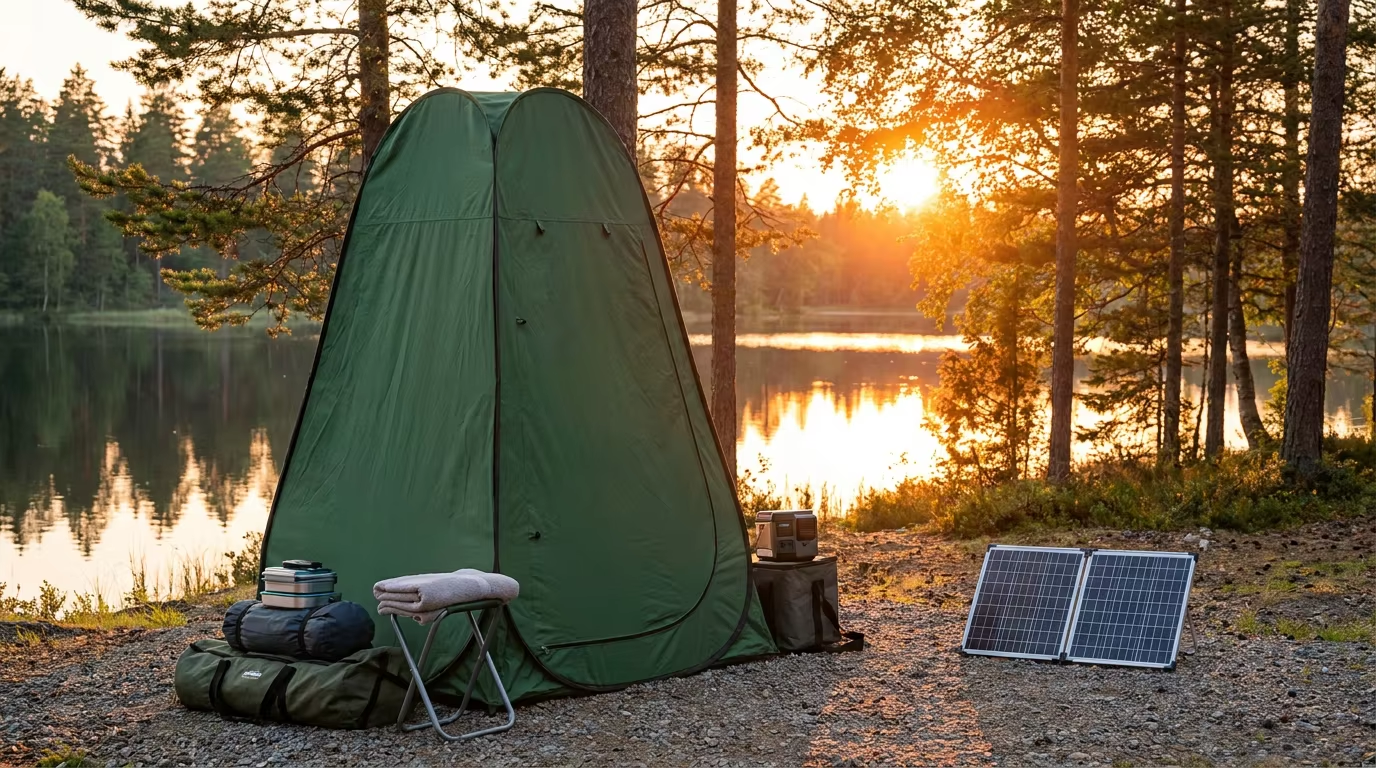
Konstruktions- og materialeteknik, der gør et duschtelt funktionsdygtigt
Lodret omslutningsdesign, vandtæt stof og ventilation — hvorfor disse tre elementer er afgørende
A dusjetelt fungerer under forskellige ingeniørkrav end en sovetelt. Mens en sovetelt prioriterer vandret gulvplads til at ligge ned, kræver en duschtelt lodret frihøjde for en voksen, der står oprejst, kan løfte armene, dreje sig og bevæge sig frit under brug af duschen. Den mindste funktionelle højde er 185 cm, mens 200 cm giver behagelig frihed for brugere op til 185 cm høje. Gulvarealet på 120 × 120 cm giver plads til, at en person kan bøje sig, række ud og skifte tøj uden at røre de våde teltvægge – et kontaktpunkt, der overfører vand til tøjet og skaber det samme problem med fugtige klæder, som telten er designet til at løse.
Vandtæt stofperformance fungerer anderledes i et bruse-telt end i et sove-telt. Et sove-telt udsættes for regn, der falder skråt, hvor vanddråber ruller af overfladen på teltduken. Et bruse-telt udsættes for vand, der sprøjtes vandret fra en lejrbruser og vand, der spler op fra gulvet. Stoffet skal klare vandtryk fra indersiden – en anden stressretning end ekstern regn. Højtdensitets-polyester med en polyurethan (PU)-belægning med en hydrostatisk højde på 2.000–3.000 mm håndterer både ekstern regn og intern spray. Stoffets vandkolonnerating, målt i henhold til ISO 811, angiver antallet af millimeter vandtryk, som stoffet kan klare, før der opstår utæthed – en rating på 3.000 mm betyder, at stoffet kan modstå en 3-meter høj vandkolonne, der presser mod det, langt mere end noget praktisk brusespray-tryk.
Ventilation forhindrer, at indersiden af brusebadet bliver til et dampkammer. En tagventil dækket af en regnklap tillader, at varm, fugtig luft stiger og trækkes ud ved konvektion, samtidig med at regn holdes ude. Netpaneler i den øverste tredjedel af væggene, placeret over øjenhøjde for at sikre privatliv, skaber tværluftning, der suger frisk luft ind gennem den nedre døråbning og udleder fugtig luft gennem de øverste ventiler. Uden denne luftstrøm kondenserer vanddamp på indersiden af væggene inden for 3–5 minutter efter brug af varmt vand, hvilket får dråber til at dryppe ned på brugeren og blænde gulvet.
Rammematerialer og vindmodstand – Fiberglass versus aluminiumlegerede stænger
Duschteltstelser står over for en strukturel udfordring, som soveteltstelser undgår: teltet skal forblive stabilt, mens en person inden i bevæger sig dynamisk – når ud, bukker og drejer sig – uden at teltdets vægge kollapser indad. Glasfiberstænger med diametre på 7,9–9,5 mm giver tilstrækkelig styrke til brug ved rolige vejrforhold og vejer ca. 250–350 gram pr. stang. Fleksibiliteten i glasfiber gør, at stangen kan bukke sig under vindlast og vende tilbage til sin oprindelige form, hvilket absorberer energien fra vindpust i stedet for at overføre den til fastgørelsespunkterne i stoffet.
Aluminiumlegerede stænger – typisk af aluminiumserierne 7001 eller 7075 med diametre på 8,5–11 mm – har ca. 40 % højere styrke-til-vægt-forhold end glasfiber og er mere modstandsdygtige mod korrosion fra gentagen udsættelse for vand og sæbeaffald end glasfiber, som kan udvikle mikrospalter på overfladen over tid ved gentagen fugtning og tørring. Den aluminiumramme øger detailprisen med ca. 15–25, men forlænger levetiden fra ca. to til tre sæsoner til fem eller flere sæsoner for hyppige brugere. En dusjetelt brugt i strandmiljøer drager særlig fordel af aluminiumstænger, da saltstøv accelererer mekanismen for spændingskorrosionsrevner i glasfiber-epoxykompositmaterialer.
Flere funktioner, der udvider en duschtelts værdi ud over brug til badning
Klædetelt, mobil toilet og udstyrsopbevaring – fire anvendelsesmuligheder i én bærbar beskyttelse
Købsbegrundelse for en dusjetelt forstærkes betydeligt, når man tager de mange funktioner i betragtning, den yderligere har ud over brugen som dusjekabine. På en travl strand uden omklædningsfaciliteter bliver teltet til et privat omklædningsrum, hvor svømmere kan tage våde badetøj af, tørre sig med håndklæde og skifte til daglig tøj uden den besværlige 'strandhåndklædedans'. Det nettede gulv tillader sand at falde igennem i stedet for at samle sig inden i, hvilket holder omklædningsfladen renere end en stranddække.
På en spredt lejrplads uden toiletfaciliteter omdannes teltet til en bærbar toiletindhegning ved at placere en lejrtoiletsæde over en biologisk nedbrydelig affaldspose inde i teltet. Privatlivet i indhegningen transformerer ellers en udsat og ubehagelig oplevelse til en værdig og funktionsdygtig sanitærløsning. Teltets vandtætte gulv indeholder eventuelle utilsigtede udspild, og ventilationssystemet afgasser lugten gennem tagventilen.
For udendørsfotografer og modeller under lokationsoptagelser fungerer en dusjtelt som en mobil prøveklædkammer, hvor tøjskift foretages privat uden at skulle tilbage til en bil eller et fjernt facilitet. Den letvægts-, foldbare design sammenklappes til en transporttaske med mål på ca. 60×20×20 cm og passer nemt i en bilbagagerum sammen med kameraudstyr og belysningsudstyr.
Sådan vælger du en dusjtelt, der balancerer vægt, pakket størrelse og holdbarhed
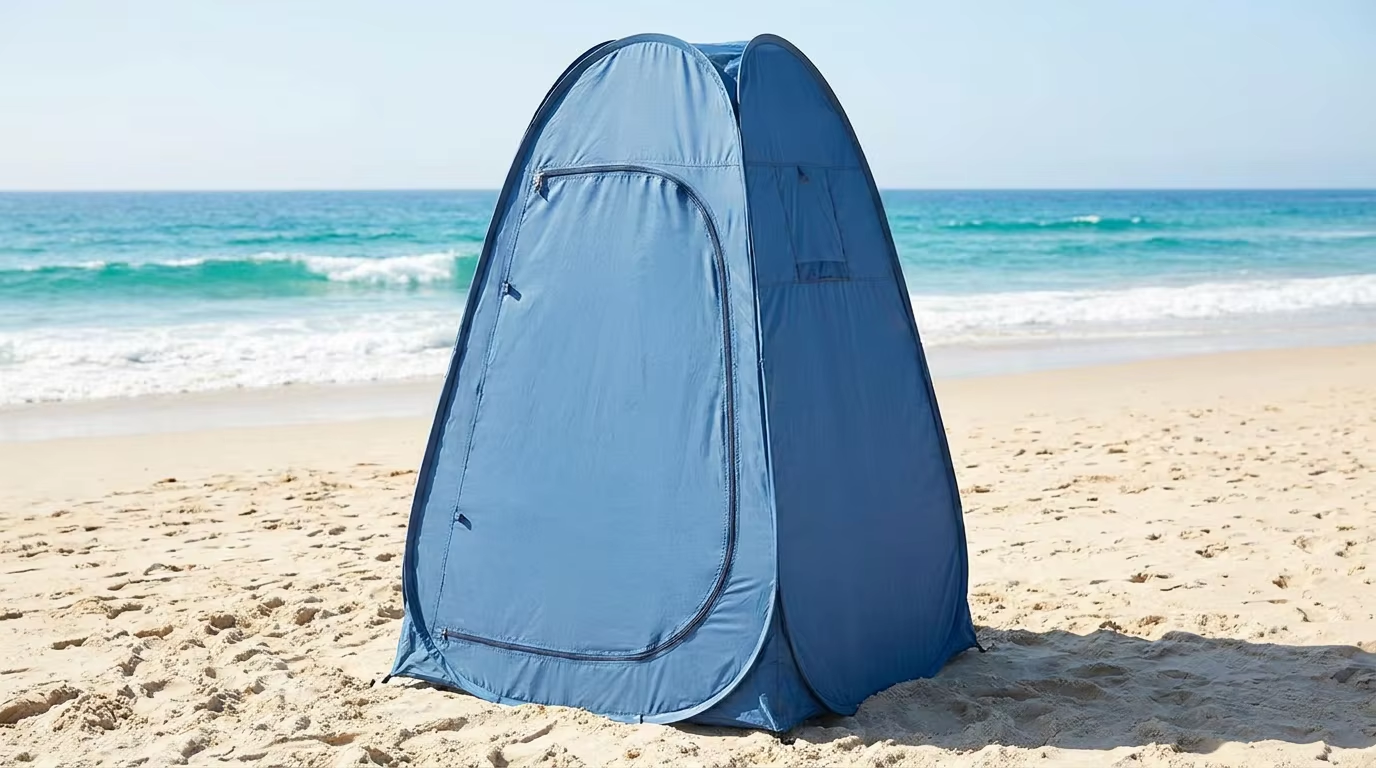
Valgkriterierne afhænger af den primære anvendelse. Bilcampere, der kører til etablerede lejrpladser, prioriterer indendørs plads og holdbarhed over vægt – en telt på 190×120×120 cm, der vejer 3,5–4,5 kg, med aluminiumspæle og en vandtæthedsgrad på 3.000 mm, giver den bedste langsigtede værdi. Rygsækcampere og motorcykelcampere prioriterer vægt og pakket volumen – et telt på 185×100×100 cm, der vejer 1,8–2,5 kg, med glasfiberpæle og en vandtæthedsgrad på 2.000 mm, balancerer tilstrækkelig ydeevne med bærelighed. Strandbrugere prioriterer hurtig opstilling og ydeevne i sand – et pop-up-design med netgulv og integrerede sandslommer til forankring kan sættes op på under 30 sekunder og modstår kystvind, når det er korrekt fastgjort.
Ofte stillede spørgsmål
Hvor vandtæt skal et duschtelt være?
En hydrostatisk trykhøjde på 2.000 mm håndterer typisk spray fra en lejrcamp-dus og let regn. I områder med kraftig regn eller ved længerevarende brug over flere dage giver en trykhøjde på 3.000 mm en betydelig sikkerhedsmargin. Tykkelsen af PU-belægningen, målt i gram pr. kvadratmeter, bestemmer både vandtætheden og stoffets modstand mod delaminering efter gentagne foldninger.
Kan en dusjtelt bruges som et almindeligt klædetelt?
Ja, og dette er én af de mest almindelige sekundære anvendelser. Den fuldstændigt lukkede konstruktion giver fuldstændig privatliv for at skifte tøj ved stranden, på lejrpladser og ved udendørs arrangementer. Opstilling tager 3–5 minutter for telte med stangsystem og under 30 sekunder for pop-up-modeller.
Hvordan fungerer ventilation uden at kompromittere privatlivet?
Tagventiler placeret over hovedhøjde og netpaneler i den øverste tredjedel af væggene tillader varm luft at slippe ud og frisk luft at trænge ind, uden at udsætte brugeren. Netten er fin nok til at holde insekter ude, samtidig med at den tillader luftgennemstrømning, og placeringen over øjenhøjde sikrer privatlivets fred fra personer uden for teltet.
Hvilket ramemateriale er bedst til et duschtelt til brugen ved stranden?
Stænger af aluminiumslegering er mere modstandsdygtige mod saltvandskorrosion end glasfiber og opretholder strukturel integritet gennem gentagne våd-tør-cykler. For lejlighedsvis brug ved stranden én eller to gange om året er glasfiber tilstrækkeligt og billigere. For hyppig kystbrug retfærdiggør aluminiums højere pris en længere levetid.
Hvordan forankrer man et duschtelt i sand?
Sand-specifik forankring bruger brede, flade pæle – ofte plastik- eller aluminium-T-formede pæle på 25–30 cm længde – der drives ind i komprimeret sand i en vinkel på 45 grader. Nogle foldbare duschtelte inkluderer indbyggede sandlommer i hver hjørne, som fyldes med sand for at tilføje 3–5 kg vægt pr. lomme og dermed give vindmodstand uden pæle i blødt sand.
Kan et duschtelt rumme et bærbart lejrtoilet?
Ja, de fleste duschtelte med en minimumsgulvstørrelse på 110×110 cm kan rumme en standard lejrtoiletsæde og et fem-gallon spandssystem. Det vandtætte gulv indeholder eventuelle udspild, og ventilationssystemet fjerner lugte. At bruge teltet til både dusche og toilet kræver rengøring og tørring mellem hver brug.