 EN
EN
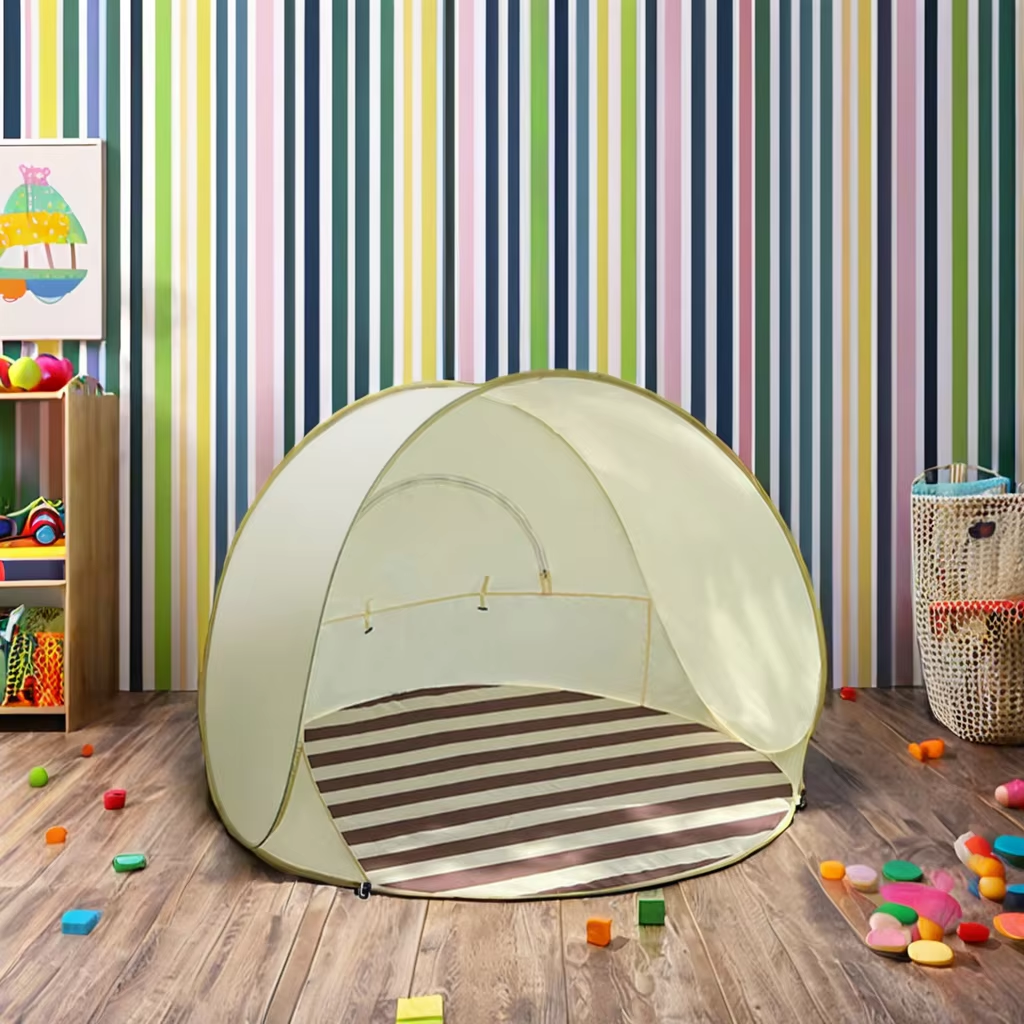
Sourcing the right beach tent means weighing two forces that rarely agree: a unit light enough to carry must also survive salt, sun, and sudden gusts. Procurement teams often find that the lightest option fails first, while the toughest build becomes too heavy to move.
Why Portability and Durability Compete in Sun Shelters
How UPF-Rated UV Fabric Lightens the Load
A well-specified beach tent starts with fabric chosen for both protection and weight. UPF-rated UV fabric blocks a measured share of harmful rays, tested under standards such as AATCC 183 and ASTM D6603. When the canopy carries a verified UPF rating, buyers can skip extra heavy liners and still meet sun-safety expectations. Lighter cloth also lowers packed weight, which directly improves carry comfort for rental crews and retail customers. Field teams report that a 190T polyester fabric with a UV-blocking coating delivers a practical balance for daily seaside use without pushing the carry bag past comfortable limits.
Why UV-Blocking Coating Protects Fabric Life
The UV-blocking coating does more than shield users; it slows the breakdown of the polyester fabric itself. Continuous sun exposure weakens fibers and fades color, so a quality coating extends service life on a wind-exposed shore. A coating paired with a PU coating layer raises hydrostatic head, the water-resistance measure defined by ISO 811. Tents rated near 2000 mm hydrostatic head handle sea spray and brief showers. Procurement managers evaluating a beach tent should request coating thickness and test reports rather than trust verbal claims. A stable coating keeps breathability acceptable while guarding against early cracking at fold points.
Frame Choices That Balance Weight and Strength
Fiberglass Poles Versus Steel Frame Weight
Frame weight drives most of the portability story. Fiberglass poles bend rather than snap under stress and weigh less than metal, which keeps a packed beach tent friendly for families and couriers. Steel frame sections add stiffness and resist bending in wind, but they raise total weight and setup time. Buyers should match the frame to the use case: a pop-up sold to casual visitors favors light fiberglass, while a fleet unit placed for a full season benefits from a steel frame that holds shape against repeated gusts. The right call depends on travel distance and season length.
Reinforced Corners That Absorb Gust Load
Corners take the highest stress when wind catches the canopy. Reinforced corners with double stitching and welded rings spread the load instead of concentrating it at one point. Combined with a guy-line system and secure guy ropes, the structure stays planted without adding much weight. A tent built to ISO 5912 guidance for structural integrity shows fewer corner failures during storms. Most procurement managers overlook this detail until units tear at stress points. Checking seam density and ring material at the corners prevents the most common field failure.
Fabric, Ventilation, and Packability Trade-Offs
Polyester Fabric, PU Coating, and Tear Strength
Tear strength decides how long a canopy lasts after the first snag. A polyester fabric with a tight weave resists punctures better than loose cloth, yet tighter weaves add grams. The PU coating adds water resistance and helps the surface shed sand, but too thick a layer reduces fold flexibility. Buyers should request a tear-strength figure and compare it against packed weight. A beach tent with moderate tear strength and smart panel layout often outlasts a heavier rival because stress distributes across reinforced seams. The goal is a balance where packability and durability support each other rather than fight.
Mesh Ventilation and Breathability
Beach heat builds fast under a closed beach tent canopy, so mesh ventilation matters for comfort and safety. Mesh windows and doors improve breathability and let sea breezes flow through, reducing interior temperature and condensation. A well-placed rainfly or roll-up panel adds shade without trapping air. Procurement teams should confirm that mesh panels use a fine enough weave to block insects yet open enough to move air. Good ventilation also lowers fabric stress because pressure equalizes instead of pushing on one wall. Field teams report that units with cross-flow mesh stay usable through midday heat that forces solid-wall tents to close early.
Buying and Inspection for Bulk Orders
Procurement Scenario: A Distributor's Wind-Damage Lesson
A regional distributor once prioritized the lightest units to cut shipping weight and please retail buyers. Background: the company sourced a featherweight model with thin fiberglass poles and minimal corner reinforcement for a summer promotion. Problem: during the first windy weekend, several canopies tore at the corners and poles split, triggering returns and lost shelf space. Solution: the team switched specifications to a polyester fabric with verified UPF rating, a steel-reinforced corner ring, and a guy-line kit, accepting a small weight increase. Effect: replacement claims dropped sharply the next season, and the slightly heavier unit became the account's steady seller because it survived real shore conditions.
Final Checks and Maintenance Advice
Before signing a bulk order, buyers should verify certifications and run a hands-on check. Request UPF rating reports, hydrostatic head test data under ISO 811, and a fabric sample for tear-strength review. On arrival, open one unit: inspect reinforced seams, confirm the carry bag fits the packed shape, and time the setup to validate setup time claims. For maintenance, rinse salt and sand after use, dry fully before packing, and store the steel frame or fiberglass poles loose rather than bent. A simple inspection routine extends service life and keeps rental fleets on the shore longer.
Selecting the right beach tent comes down to matching fabric, frame, and finish to the real environment. A UPF-rated canopy, a frame chosen for travel distance, reinforced corners, and working mesh ventilation give procurement teams a unit that carries easily yet survives the shore. Request test reports, check the stress points, and let field performance—not the lightest spec sheet—guide the order.
Frequently Asked Questions
Question
Which frame material suits a frequently moved sun shelter?
Answer: Fiberglass poles suit units moved often because they bend under load and weigh less than metal, lowering carry strain for couriers. A steel frame adds stiffness and holds shape in strong wind but raises total weight and setup time. Teams should match the frame to travel distance and season length. A pop-up for casual daily use favors light fiberglass, while a season-long fleet unit benefits from steel that resists repeated gusts.
Question
How does a buyer confirm a beach tent will resist tearing?
Answer: Request a tear-strength figure and a fabric sample before committing to a bulk order. A polyester fabric with a tight weave resists punctures, while reinforced seams and double stitching stop early corner failure. Field teams should also check the guy-line system and ring material under load. A unit built to ISO 5912 structural guidance shows fewer corner splits during storms. Pair the checks with a UPF rating report to confirm the canopy meets sun and strength goals.
Question
Why does mesh ventilation matter for a seaside canopy?
Answer: Mesh ventilation keeps interior temperature down and improves breathability by letting sea breezes flow through the structure. Without airflow, heat and condensation build fast under a closed canopy, forcing users to pack early. Fine mesh blocks insects yet still moves air, while a roll-up panel or rainfly adds shade without trapping heat. Good cross-flow also lowers fabric stress because pressure equalizes across walls instead of pushing on one side during sudden gusts near the water.
Question
What maintenance keeps a coated canopy usable longer?
Answer: Rinse salt and sand after every use, then dry the unit fully before packing to prevent coating breakdown and mildew. Store fiberglass poles or steel frame sections loose rather than bent to avoid memory kinks. Inspect reinforced corners and guy ropes each season for wear. A simple routine extends service life and keeps rental fleets on the shore longer. Buyers should include these steps in staff training so the investment performs across multiple coastal seasons without premature replacement.
Question
When should procurement request hydrostatic head data?
Answer: Request hydrostatic head figures whenever the unit may face sea spray, rain, or damp ground, since ISO 811 defines this water-resistance measure. A canopy near 2000 mm hydrostatic head handles brief showers and splashes without leaking. Procurement teams should ask for test reports instead of verbal claims and pair the data with a PU coating review. Confirming the number early prevents returns caused by soaked interiors during unexpected coastal weather on busy weekends with high guest turnover.