 EN
EN

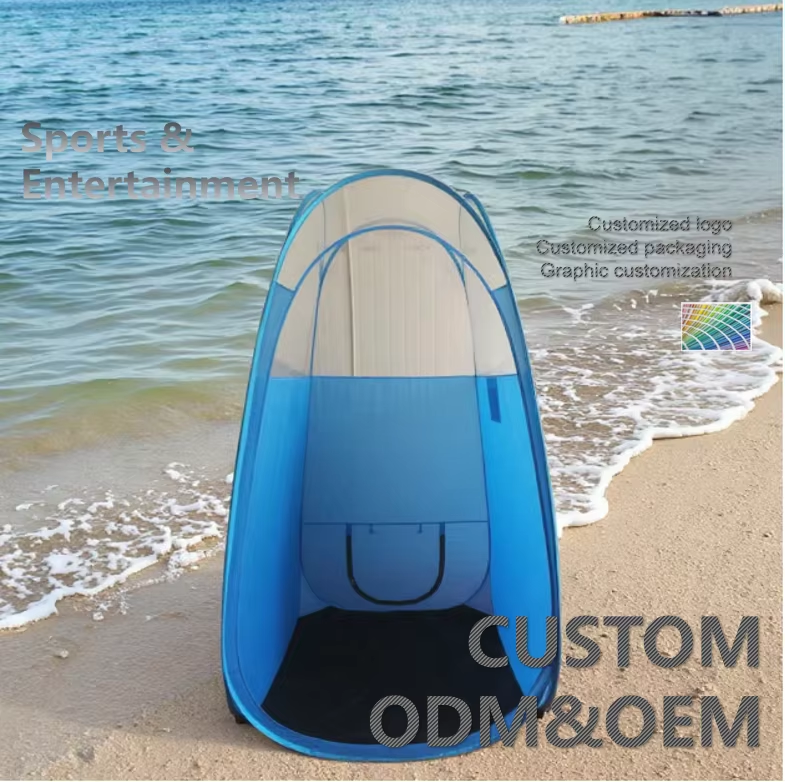
A growing number of family campers face the same crunch: one small shelter no longer covers the whole morning routine. A shower tent that splits into two compartments changes how a household packs, queues, and stays decent at the campsite. The question for a busy household is whether that larger footprint earns its place in the car.
Why Families Outgrow the Single-Room Design
The Privacy Gap Parents Notice First
The first thing most parents notice is the privacy gap when children need to change at different times. A standard shower tent with a single curtain leaves one kid waiting outside while another finishes inside. Two rooms let a parent supervise a younger child in one bay and keep an older child dressing in the other, removing the awkward shuffle between the vehicle and the camp chairs.
Separating the Toilet from the Shower
Mixing the toilet and the wash area in one box creates smells and damp floors that reach clothing and towels. A shower tent that splits the toilet into its own sealed bay keeps the shower side dry and breathable. Procurement managers sourcing for family campsites often request a center zip wall so the two spaces work independently or open into one larger changeroom when the crowd thins after breakfast. Without that seal, gray water from the shower migrates under the divider and defeats the split, leaving both bays damp by noon.
The Space-versus-Packability Tradeoff
Floor Area and Footprint Reality
A two-bay shower tent typically adds 30 to 50 percent more floor area than a single unit, which matters on a tight pitch. Buyers should measure the reserved campsite rectangle before committing, because a wider footprint can cross the guy lines of the sleeping tent beside it. The trade is straightforward: more private square meters versus less room for the awning and the camp kitchen.
How the Extra Room Packs Down
Packability decides whether the upgrade survives past the first trip. Most buyers compare the rolled size of a two-room shower tent against a single unit before purchase. Quality models fold into a carry bag close to the diameter of a single shelter, though the rolled length runs longer. Field teams report that steel wire frames add weight but resist the bending that fiberglass poles suffer after repeated fold cycles. Mesh ventilation panels let the fabric dry before it is stuffed, cutting mildew on the next outing. A rinse of the floor and a full air-dry before storage protects the seams, since trapped moisture is the main cause of the odor families mention in reviews.
A Rental Fleet That Cut Complaints with Two Rooms
Background — A Coastal Campsite Outfitter
A coastal campsite outfitter on a busy summer lake ran a fleet of single-curtain units for guest rentals. The problem surfaced fast: families with toddlers filed repeated complaints about waiting, about wet floors from a toilet placed beside the shower, and about the lack of a quiet space for a child to nap after a swim. Peak weekends left staff hosing out soaked floors between every booking.
The Solution and Its Effect
The operator replaced part of the fleet with a two-room shower tent featuring a separate toilet bay and a wider changing side. The effect was measurable: complaint logs dropped for the divided units, return guests asked for the same model by name, and staff spent less time cleaning soaked floors between bookings. The extra footprint fit the lakeside pitches without crowding the neighboring sites, and the rental line kept its reputation through the season. The operator also logged lower replacement cost, because divided units stayed drier and needed fewer mid-season seam repairs than the single-curtain models they replaced.
What Procurement Teams Should Verify
Fabric, Coating, and Test Standards
When specifying a shower tent for family use, fabric choice drives both comfort and compliance. Polyester fabric with a PU coating rated near 2000 mm hydrostatic head keeps spray out, and the rating should be verified against the ISO 811 test method rather than a printed label. UV protection matters for a shelter left in midday sun, so a UPF rating checked under AS/NZS 4399 gives buyers a comparable number across suppliers. Oxford cloth adds tear strength at the seams where roll-up doors flex every day. Above the rated hydrostatic head the PU layer wets through, so buyers should treat the number as a ceiling rather than a target. Double stitching at the floor hem stops the capillary leak that a single row of seams allows.
Frame Choice and Wind Resistance
Frame choice separates a unit that survives a season from one that folds. Steel frames hold shape in gusts but add car weight; fiberglass poles stay light yet can splinter at the joint. A triangular frame geometry resists wind by lowering the sail area, and reinforced seams at the roof peak stop the slow leak that ruins a dry change. Wind behavior should be confirmed against ISO 5912 for camping tents before a bulk order. A guy-line system spaced at the panel corners keeps load off the joints; skipping it shifts stress to the pole sleeve and shortens the frame's working life.
A two-room shower tent earns its extra space when a family values privacy, a dry toilet bay, and a calmer morning over a tighter pack. The larger footprint costs pitch room and a longer carry bag, yet for campsite rentals and busy household trips the trade pays back in fewer complaints and smoother routines. Buyers should weigh floor area, fabric rating, and frame type before choosing the model that fits the trip.
Frequently Asked Questions
Question
What makes a two-room shelter better for families than a single unit?
Answer: A divided shelter gives children separate space to change and keeps the toilet away from the shower, which cuts damp floors and waiting lines. Parents supervise one bay while an older child dresses in the other. The trade is a wider footprint and a longer packed bag, but the privacy and calmer routine suit family campsites where mornings get busy with different ages needing the space at once.
Question
How much extra floor area does a two-bay model need?
Answer: Most two-bay shelters add roughly 30 to 50 percent more floor area than a single curtain unit, depending on the panel layout. Buyers should measure the reserved campsite pitch before ordering, since a wider base can cross the guy lines of a neighboring sleeping tent. The extra square meters buy private changing room, but they reduce space left for the awning, camp kitchen, and a safe walkway between shelters.
Question
Which fabric and coating should procurement specify?
Answer: Polyester fabric with a PU coating near 2000 mm hydrostatic head resists camp spray, and the number should be checked against ISO 811 rather than trusted from a label. A UPF rating verified under AS/NZS 4399 shows how well the roof blocks UV after hours in sun. Oxford cloth at the roll-up door seams adds tear strength. Reinforced double stitching at flex points prevents the slow seam leak that dampens a dry change.
Question
Can a two-room unit still pack small for car camping?
Answer: Yes, when the frame and fabric are chosen for fold efficiency. Quality models roll into a carry bag near the diameter of a single unit, though the length runs longer and the steel wire frame adds weight versus fiberglass poles. Mesh ventilation panels let the shelter dry before it is stuffed, which prevents mildew. For backpacking the extra bulk rarely justifies the comfort, but car camping handles the size well.
Question
Why does frame geometry affect wind resistance for this shelter?
Answer: A triangular frame lowers the sail area that wind catches, so gusts slide past instead of pushing the panels inward. Steel frames hold that shape through a season, while fiberglass poles stay lighter yet can splinter at the joint after repeat folds. Reinforced seams at the roof peak stop leaks where stress concentrates. Procurement should confirm wind behavior against ISO 5912 before a bulk shower tent order for exposed coastal or lakeside pitches.