 EN

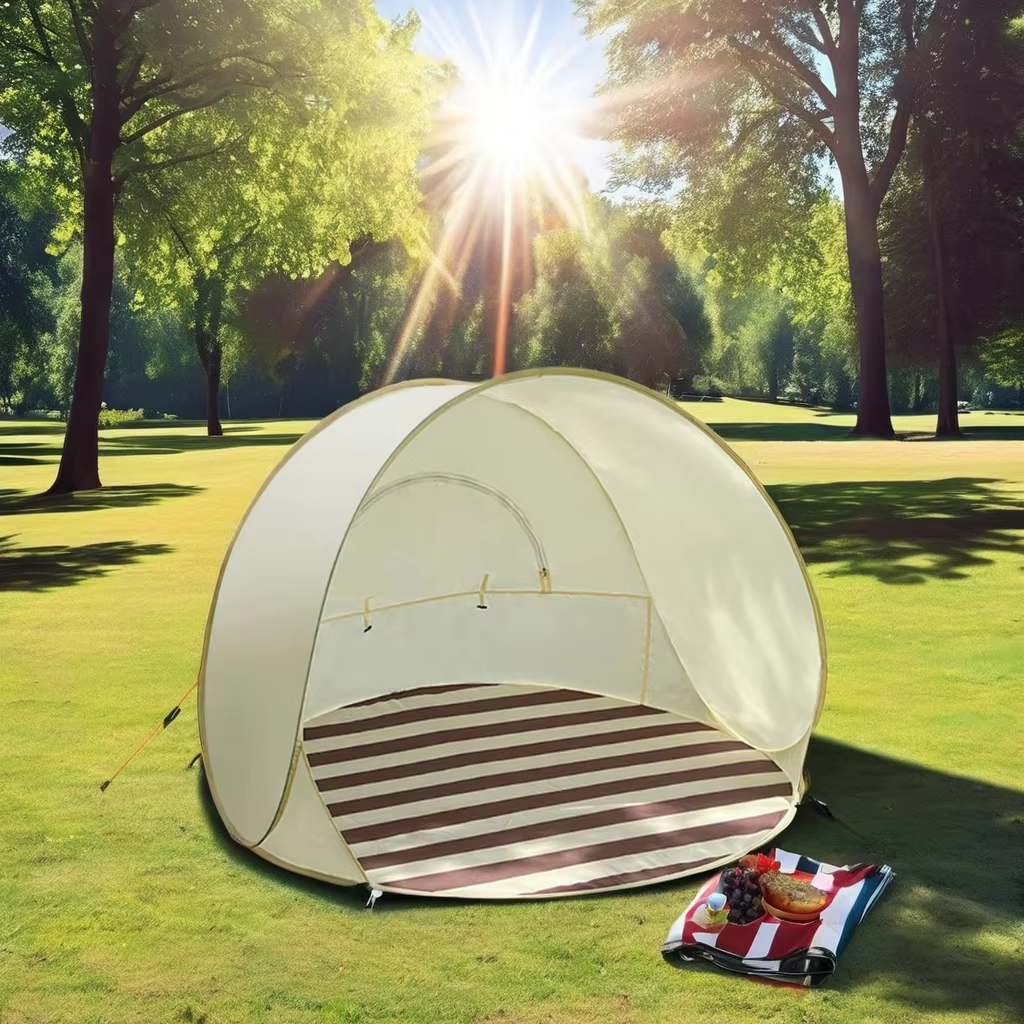
Why Bed Tents Are Rising as Essential Privacy Solutions in Shared Living Spaces
Shared bedrooms have moved beyond college dorms as housing costs climb. Over 22 million U.S. renter households spent more than 30% of income on rent in 2022 (Joint Center for Housing Studies 2023), pushing more adults into shared apartments, hostels, and multigenerational homes. In these settings, personal space is scarce—and visual or auditory boundaries are often missing. A bed tent solves that problem by creating a room-within-a-room retreat without permanent changes. Lightweight folding designs fit mattresses from toddler to king size and suit dorm twins, bunk beds, and hostel beds. Unlike curtains or room dividers, a zippered tent offers a clear signal: the person inside is off-duty and needs rest. Siblings gain a private zone for reading, changing, or calming down. Students and remote workers use bed tents to separate sleep from shared desk areas. Furnished rentals and short-term stays further elevate the value of portable privacy tools over fixed partitions. For roughly the cost of a few nights in a private room, users get a portable sanctuary that blocks sightlines, muffles light, and reduces sensory overload. As shared living remains common, this low-effort solution transforms crowded quarters into a personal space that supports better sleep and clearer boundaries.
How Bed Tents Deliver Real Privacy and Comfort: Light, Sound, and Sensory Barrier Performance
A bed tent transforms a standard mattress into a defined, personal zone. In shared rooms, hostels, or studio apartments, visual exposure can make rest feel impossible. An enclosed fabric shell blocks sightlines from all sides, creating immediate visual privacy—unlike curtains, which leave side gaps. Many models use dense, opaque panels that reduce external light by up to 80%, helping shift workers and light-sensitive sleepers maintain darkness during daylight hours. The fabric also softens ambient noise: while not soundproof, layered textiles absorb high-frequency echoes and muffle conversations or hallway sounds. For sensory regulation, the cocoon-like boundary offers gentle pressure cues and a predictable visual field—signaling the brain that the sleep space is distinct from the active world. This separation lowers alertness and supports the transition into rest. In practice, a bed tent functions as a multi-sensory barrier: light is dimmed, sound is dulled, and physical boundaries are clear—a combination rarely found in standard open bedding. For people who share bedrooms or live in busy households, this controlled micro-environment can be the difference between fragmented sleep and consistent rest.
Evidence-Based Efficacy: Findings from the 2023 Sleep Environment Study
The 2023 Sleep Environment Study examined how enclosed sleep spaces affect perceived privacy and sleep continuity in shared and high-traffic environments. Participants using an enclosed sleep space reported fewer light-related awakenings and stronger feelings of personal space. Effective enclosure designs blocked up to 80% of external light—reaching darkness levels associated with melatonin release, especially critical for night-shift workers sleeping during daylight. Participants also described lower stress when able to visually retreat behind a fabric boundary. Though not eliminating sound, the enclosure reduced the startling effect of sudden noise by softening ambient input. These findings align with broader research on sensory barriers and nervous system regulation—particularly for individuals with autism, ADHD, or sensory processing differences, who benefit from predictable, low-stimulation sleep environments. The study confirms that a bed tent delivers measurable comfort: it creates a darker, calmer, and more private environment that supports continuous rest.
Bed Tent Use Cases That Prove Their Sanctuary Value: Students, Neurodivergent Adults, and Remote Workers
In shared dorms, thin walls and round-the-clock roommates make consistent rest difficult. A bed tent creates a personal enclosure that blocks visual clutter and signals “do not disturb” without requiring difficult conversations. Students report using it to study, nap, or sleep on different schedules—keeping roommate relationships intact.
For neurodivergent adults, predictable sensory input matters as much as darkness. A bed tent reduces overhead light, muffles sudden noise, and provides gentle compression through enclosed fabric—helping the nervous system shift from alert to calm before sleep or during midday recovery.
Remote workers face a different challenge: the bedroom doubles as an office. A bed tent separates rest space from work space in small apartments, offering a visible boundary that work calls, notifications, and to-do lists cannot cross. This separation supports mental off-switching at the end of a shift.
Across these groups, the bed tent works not as a novelty but as a low-cost, non-invasive privacy tool—delivering a private sanctuary within a shared room, rental, or studio without lease restrictions or structural modifications. That practicality is why its use continues to expand beyond children’s bedrooms and into adult routines.
The Mental Wellbeing Shift: How Bed Tents Support Rest, Regulation, and Personal Boundaries
Mental wellbeing often hinges on feeling safe, in control, and able to shift from social alertness to rest. In shared bedrooms, hostels, or family homes, a bed tent gives that feeling a physical shape. The enclosed space acts as a clear personal boundary—telling the brain the outside world no longer requires attention. This simple environmental cue can lower background stress and make winding down easier.
For people who experience sensory overload—including neurodivergent adults and students—this private cocoon reduces unpredictable light, movement, and visual noise. A darker, quieter personal zone supports nervous system regulation: instead of staying on alert, the body can enter a calmer state. Lower sensory demand makes it easier to focus inward rather than processing every shadow or noise in the room. That transition matters for deep rest—not just falling asleep. When a space feels consistently yours, bedtime becomes a ritual rather than a negotiation.
The boundary effect also protects identity. In temporary housing or crowded apartments, having a retreat you control reinforces self-respect. You can read, journal, or simply breathe without explaining yourself. Over time, that small private sanctuary builds emotional stamina. It cannot remove external stressors—but it creates a micro-environment where recovery feels possible every night. This sense of ownership is especially valuable when other parts of life feel unstable or crowded.
FAQ: Common Questions About Bed Tents
What is a bed tent?
A bed tent is a portable enclosure designed to fit over a mattress, providing physical, visual, and sensory privacy. It creates a private personal space within shared or crowded living environments.
How does a bed tent improve sleep?
A bed tent blocks external light, muffles ambient noise, and establishes a distinct physical boundary, helping users relax and transition into a restful state.
Are bed tents suitable for adults?
Yes, bed tents are increasingly popular among adults—especially students, remote workers, and neurodivergent individuals—who benefit from the privacy and sensory regulation they offer.
Can bed tents help with sensory overload?
Yes, bed tents reduce unpredictable light, sound, and movement, helping individuals experiencing sensory overload to regulate and feel calmer.
Are bed tents easy to set up?
Most bed tents are lightweight and foldable, making them simple to set up and take down without requiring permanent changes to the living space.
Table of Contents
- Why Bed Tents Are Rising as Essential Privacy Solutions in Shared Living Spaces
- How Bed Tents Deliver Real Privacy and Comfort: Light, Sound, and Sensory Barrier Performance
- Bed Tent Use Cases That Prove Their Sanctuary Value: Students, Neurodivergent Adults, and Remote Workers
- The Mental Wellbeing Shift: How Bed Tents Support Rest, Regulation, and Personal Boundaries
- FAQ: Common Questions About Bed Tents